
 EN
EN
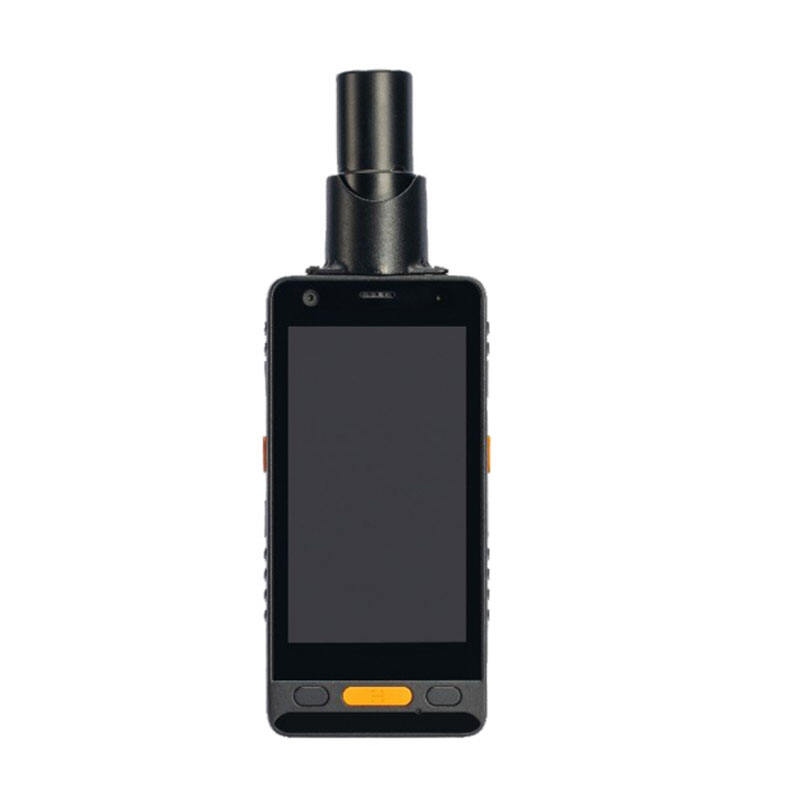
When selecting a high accuracy handheld GPS device for professional field work, the sheer number of technical specifications can feel overwhelming. Not every spec on a datasheet translates into real-world performance gains, and choosing the wrong unit based on surface-level comparisons can cost time, money, and data integrity. Understanding which specifications genuinely matter is the first step toward making a confident purchasing decision for your team or organization.
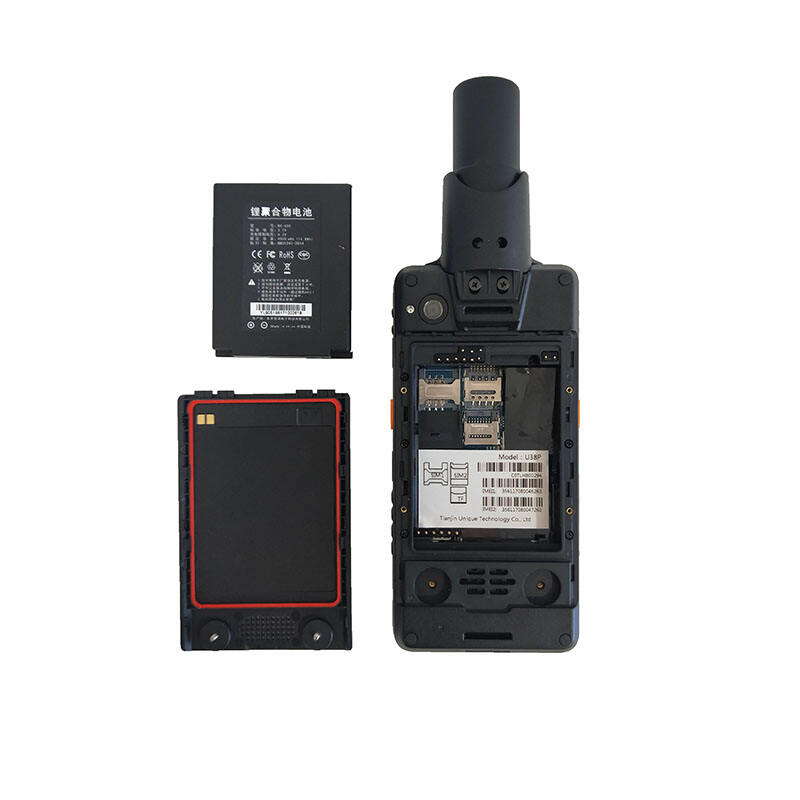
A high accuracy handheld GPS unit is no longer just a navigation tool. In industries such as surveying, precision agriculture, utility management, and environmental monitoring, a high accuracy handheld GPS is a mission-critical data collection instrument. The specifications that define its performance directly shape how reliable, efficient, and deployable your fieldwork becomes. This article breaks down the specs that actually drive results.
Positioning Accuracy and Correction Technology
Understanding Horizontal and Vertical Accuracy
The most fundamental specification in any high accuracy handheld GPS is its stated positioning accuracy. Accuracy is typically expressed in centimeters or millimeters and is divided into horizontal and vertical components. A high accuracy handheld GPS intended for professional use should clearly specify accuracy values under defined correction modes, not just theoretical satellite-based performance. Look for devices that provide sub-meter or centimeter-level horizontal accuracy, as these figures directly reflect the device's usefulness in precision applications.
Vertical accuracy is equally important in terrain modeling, drainage planning, and elevation-sensitive tasks. Many users focus exclusively on horizontal figures, but a high accuracy handheld GPS with poor vertical precision will introduce errors in any application that depends on elevation data. Always evaluate both axes of accuracy when comparing units intended for field measurement work.
RTK and SBAS Correction Support
Correction technology is the engine behind centimeter-level performance in any high accuracy handheld GPS. Real-Time Kinematic, or RTK, correction uses a base station or network correction service to dramatically reduce positioning error. A high accuracy handheld GPS with built-in RTK capability can reach one to two centimeter horizontal accuracy in open conditions. SBAS, which includes systems such as WAAS and EGNOS, provides meter-level correction for applications that do not require centimeter precision but still need reliable sub-meter performance. Knowing which correction modes your high accuracy handheld GPS supports ensures it can serve both your current and future project requirements.
Satellite Constellation and Signal Tracking
Multi-Constellation Reception
A high accuracy handheld GPS that tracks multiple satellite constellations performs far better in challenging environments than a single-constellation device. Modern high accuracy handheld GPS receivers support GPS, GLONASS, BeiDou, and Galileo simultaneously. Multi-constellation tracking increases the number of visible satellites at any given moment, which directly improves fix reliability, reduces time-to-first-fix, and maintains positioning continuity under tree canopy, near buildings, or in urban canyons. For field professionals operating in variable environments, multi-constellation support in a high accuracy handheld GPS is a non-negotiable requirement.
Multi-Frequency Signal Support
Signal frequency support is another critical differentiator among high accuracy handheld GPS devices. Single-frequency receivers are more susceptible to ionospheric interference, which degrades accuracy particularly during solar activity or in equatorial regions. A dual-frequency or multi-frequency high accuracy handheld GPS can resolve ionospheric delay errors by comparing signals on L1 and L2 bands, or equivalent frequencies from other constellations. This makes multi-frequency reception essential for any high accuracy handheld GPS expected to deliver consistent centimeter-level results across diverse geographic and atmospheric conditions.
Hardware Durability and Field Operability
Ingress Protection and Ruggedness Ratings
A high accuracy handheld GPS used in professional field environments must withstand physical stress. IP ratings define resistance to dust and water ingress, and any serious high accuracy handheld GPS for outdoor deployment should carry at least an IP67 rating. This ensures the device survives immersion in shallow water, heavy rain, and dusty conditions. Drop resistance ratings, often defined by MIL-STD-810 compliance, further indicate whether a high accuracy handheld GPS is built to survive the mechanical shocks typical of fieldwork. Durability specifications are not cosmetic; they define total cost of ownership over the device's operational life.
Battery Life and Operating Temperature Range
Long battery life is a practical requirement for any high accuracy handheld GPS intended for extended field shifts. A professional-grade high accuracy handheld GPS should offer at least eight hours of continuous operation under normal working conditions. Operating temperature range is equally important; a high accuracy handheld GPS deployed in cold mountainous terrain or hot desert environments must maintain its performance across a wide thermal range, typically from minus twenty degrees Celsius to plus sixty degrees Celsius. Units that fail outside narrow temperature bands will create data gaps precisely when field teams are working in demanding locations.
FAQ
What is the difference between RTK and standard GPS accuracy in a handheld device?
Standard GPS in a high accuracy handheld GPS typically delivers two to five meter accuracy without correction. RTK correction reduces this to one to two centimeters under open sky conditions. The difference matters enormously in applications like land surveying or utility mapping, where positional errors beyond a few centimeters are unacceptable. A high accuracy handheld GPS with RTK support closes this gap by using real-time differential correction from a known reference point or network service.
How does multi-constellation support improve a high accuracy handheld GPS in obstructed environments?
In environments with partial sky obstruction, such as forests or urban corridors, a high accuracy handheld GPS tracking only one constellation may lose fix or degrade to poor accuracy. By simultaneously tracking GPS, GLONASS, BeiDou, and Galileo, a multi-constellation high accuracy handheld GPS maintains a sufficient number of visible satellites to sustain reliable positioning. This translates directly into fewer data gaps, faster initialization, and higher data confidence in challenging field conditions.
Which industries benefit most from high accuracy handheld GPS devices?
Industries that rely on precise spatial data are the primary users of high accuracy handheld GPS technology. Land surveying, precision agriculture, utility network management, environmental monitoring, construction staking, and forestry inventory all require a high accuracy handheld GPS capable of centimeter or sub-meter performance. Any workflow where the location of a physical asset, boundary, or feature must be recorded with documented precision benefits from deploying a purpose-built high accuracy handheld GPS rather than a consumer-grade navigation device.