
 EN
EN
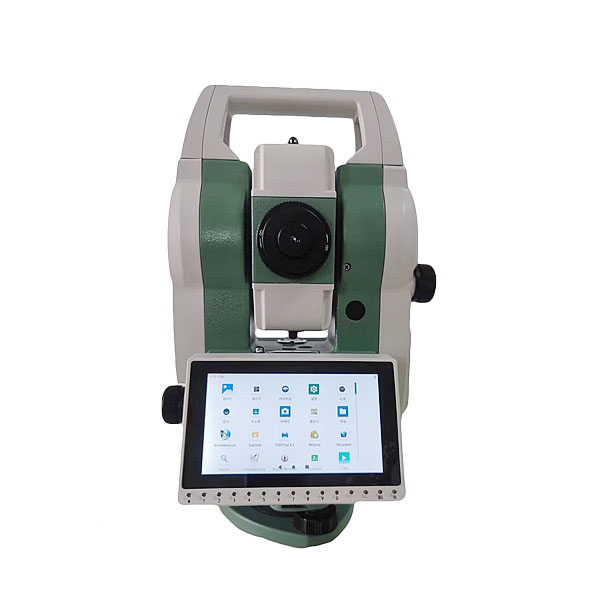
Real-time kinematic positioning, or RTK, represents one of the most significant advances in GNSS accuracy and reliability for professional surveying, mapping, and construction applications. When paired with choke ring antenna technology, RTK systems achieve unprecedented precision by actively reducing multipath errors and signal distortion that typically compromise positioning data in challenging environments. Understanding how choke ring antennas enhance RTK performance is essential for organizations seeking to maximize their investment in high-precision GNSS infrastructure and deliver accurate results across diverse operational conditions.
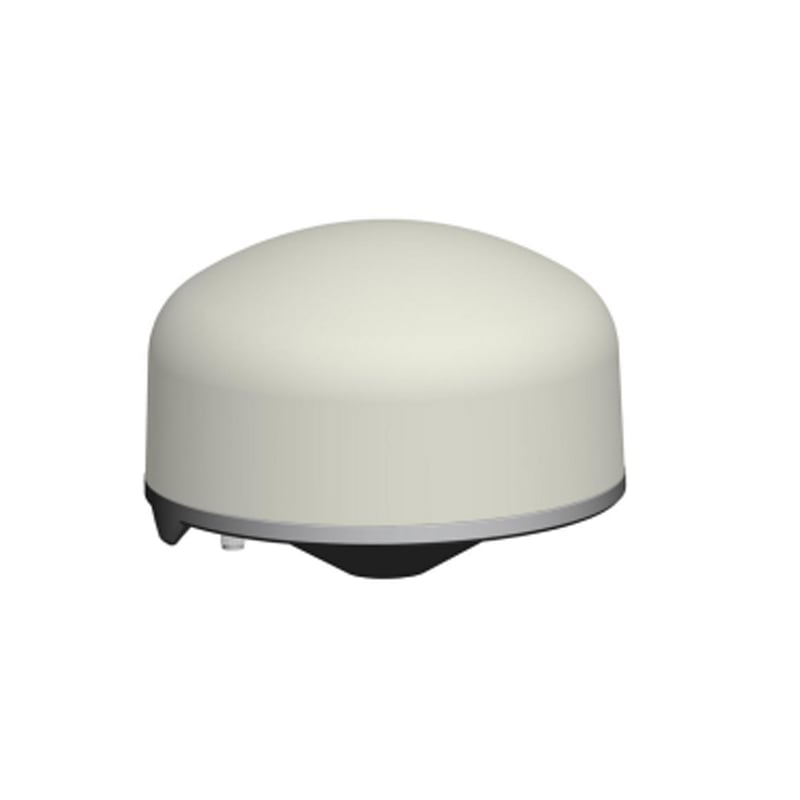
The integration of choke ring antenna technology into RTK systems fundamentally transforms how GNSS receivers process satellite signals in real-world operating environments. By suppressing multipath interference and electromagnetic noise, choke ring antennas enable RTK networks to deliver centimeter-level positioning accuracy consistently, even in urban canyons, near metallic structures, or areas prone to signal reflection. This technological synergy between advanced antenna design and RTK algorithms creates a robust foundation for mission-critical positioning applications where reliability and precision cannot be compromised.
How Choke Ring Antennas Improve RTK Signal Quality
Understanding Multipath Interference in RTK Applications
Multipath error represents one of the most persistent challenges in RTK positioning, occurring when GNSS signals reflect off nearby surfaces before reaching the antenna. These reflected signals arrive at slightly different times than direct signals from satellites, creating phase ambiguities that degrade RTK accuracy and increase convergence time. Choke ring antennas address this problem through their distinctive concentric ring design, which creates a resonant structure that attenuates reflected signals while preserving the strength of direct satellite signals. In RTK networks operating near buildings, water bodies, or metallic equipment, this multipath suppression becomes critically important for maintaining consistent centimeter-level accuracy across all measurement sessions.
Choke Ring Design and RTK Performance Enhancement
The physical structure of a choke ring antenna consists of multiple concentric conductive rings that encircle the antenna element at precise distances based on the GNSS wavelength. When electromagnetic waves arrive at angles below the horizon, the choke ring structure creates destructive interference patterns that effectively cancel low-angle signals before they reach the antenna feed. For RTK applications, this design characteristic proves invaluable because it allows the antenna to focus almost exclusively on high-angle satellite signals, which naturally provide superior positioning geometry and reduced susceptibility to multipath error. By improving the signal-to-noise ratio in this way, choke ring antennas enable RTK receivers to compute positions with greater confidence and faster ambiguity resolution.
RTK Reliability Gains in Challenging Environments
Urban and Near-Building RTK Operations
Urban environments present extreme RTK challenges because signal reflections from buildings, vehicles, and infrastructure create a complex multipath environment that conventional antennas struggle to handle effectively. Choke ring antenna technology transforms RTK performance in these conditions by systematically rejecting signals that would otherwise contaminate the phase measurements needed for precise positioning. Professional surveying firms and construction companies operating RTK systems in dense metropolitan areas report significantly faster convergence times and more consistent positioning accuracy when using choke ring antennas compared to standard antenna designs. This reliability improvement directly translates to reduced project timelines and higher confidence in delivered survey coordinates.
Coastal and Industrial Site RTK Positioning
Coastal environments and industrial sites with metallic structures or large equipment installations create additional RTK signal challenges because reflections from water surfaces and conductive materials intensify multipath problems. Choke ring antennas excel in these demanding scenarios because their rejection of low-angle multipath signals provides RTK systems with cleaner measurement data and more stable phase lock. Maritime surveying, port operations, offshore construction planning, and industrial monitoring applications all benefit from the improved RTK reliability that choke ring antenna technology delivers. When RTK networks must maintain centimeter accuracy across hours of continuous operation, the multipath suppression provided by choke ring antennas becomes an essential system component rather than an optional enhancement.
Integration of RTK with Advanced Antenna Technology
RTK Network Architecture and Antenna Selection
Modern RTK networks typically employ base station reference receivers and rover units that communicate corrections in real-time, allowing rovers to achieve centimeter-level accuracy relative to the base station. The antenna technology deployed at both base and rover positions directly influences the quality of corrections transmitted and the accuracy achievable at remote locations. When RTK base stations utilize choke ring antennas, they generate corrections based on cleaner satellite signal data, which improves the quality of corrections available to rover units throughout the network coverage area. This architectural consideration means that selecting appropriate antennas for RTK systems requires understanding the complete signal chain and the role that antenna technology plays in enabling network-wide accuracy improvements.
Calibration and Performance Optimization for RTK Systems
Proper antenna calibration represents a critical factor in maximizing RTK positioning accuracy, and choke ring antennas require calibration procedures that account for their unique phase center characteristics and multipath rejection properties. RTK system operators must ensure that phase center coordinates are correctly entered into receiver software and that antenna mounting and orientation are optimized for the specific operational environment. Choke ring antennas typically exhibit excellent phase center stability across varying elevation angles, which simplifies RTK processing and reduces errors related to antenna-induced biases. Organizations implementing RTK systems with choke ring antenna technology should prioritize professional installation and validation procedures to ensure that the full performance potential of the antenna investment is realized in operational use.
FAQ
What RTK accuracy improvements can choke ring antennas provide?
Choke ring antennas typically improve RTK positioning accuracy by reducing multipath error and noise, enabling faster ambiguity resolution and more consistent centimeter-level positioning. In multipath-rich environments like urban areas or near industrial structures, RTK users often report accuracy improvements of 30 to 50 percent when upgrading from standard antennas to choke ring designs. The magnitude of improvement depends on the specific environmental conditions and existing multipath challenges in the operational area.
Are choke ring antennas necessary for all RTK applications?
While choke ring antennas significantly enhance RTK reliability in challenging environments, they may not be strictly necessary for RTK operations in open-sky conditions with minimal multipath interference. However, for professional surveying firms, construction companies, and mapping organizations operating RTK systems across varied environments, choke ring antennas represent a cost-effective investment that improves consistency and reliability. The decision to deploy choke ring antenna technology should be based on expected operational environments and the criticality of maintaining centimeter-level accuracy throughout all measurement sessions.
How do RTK base stations benefit from choke ring antenna technology?
RTK base stations equipped with choke ring antennas generate corrections based on higher-quality signal measurements, which improves the accuracy and reliability of corrections transmitted to rover units. Since correction quality directly influences rover accuracy, investing in choke ring antenna technology at base station locations provides network-wide RTK performance improvements that benefit all connected rover units. This architectural advantage makes choke ring antennas particularly valuable in professional RTK networks that must maintain consistency across large geographic areas and multiple operational sites.