
 EN
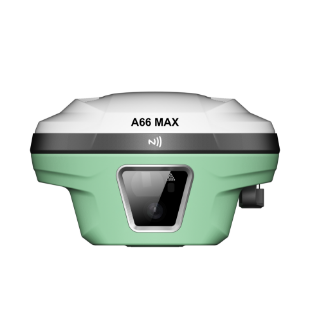
Choosing between a 2D and 3D choke ring antenna for RTK surveying depends on the work environment, required measurement reliability, and how the antenna will be installed. Neither design is automatically right for every project. To choose well, assess how each handles reflected signals, then match that behavior to the site and your RTK workflow.
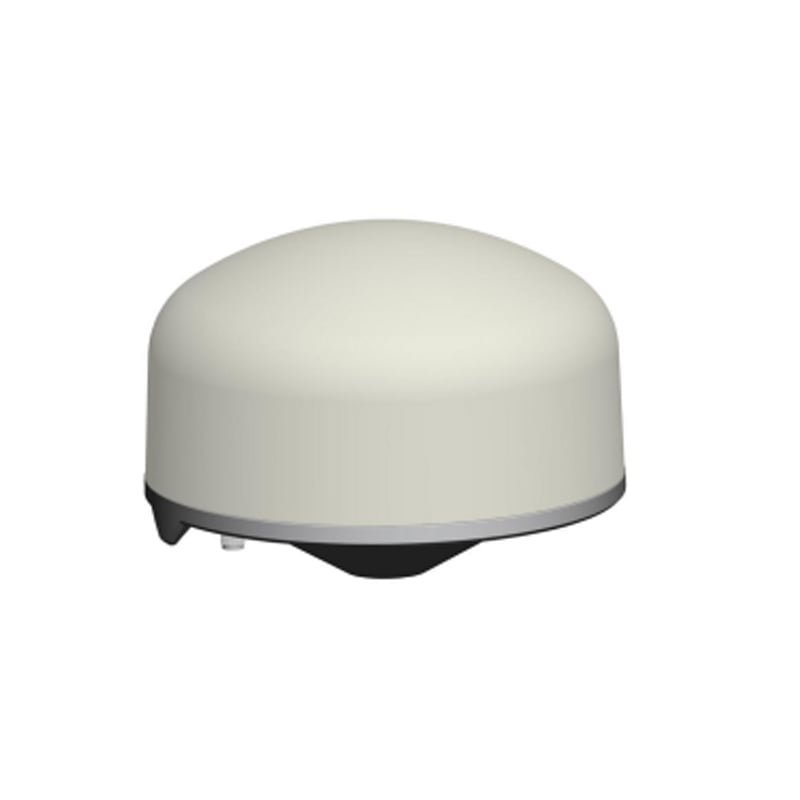
The practical distinction is antenna construction, not a promise of a particular field result. A 2D choke ring typically uses concentric rings arranged in a plane, while a 3D design may use a more spatial ring structure; terminology can vary by product. For RTK, compare documented antenna characteristics and installation needs rather than relying on the label alone.
How the Two Antenna Designs Differ
Ring geometry and reflected signals
A choke ring antenna is intended to limit signals arriving at low elevation angles, where nearby surfaces can create multipath. In RTK work, those reflected signals can affect carrier-phase observations and complicate a fixed solution. A 2D arrangement uses ring features concentrated in a horizontal profile; the design’s actual response depends on its geometry, materials, and frequency coverage.
A 3D arrangement introduces ring features in a more spatial form, which may change how the antenna interacts with signals from different directions. That does not mean every 3D antenna rejects multipath better in every setting. For RTK, check the manufacturer’s antenna pattern, supported satellite frequencies, and calibration information, then relate those specifications to the reflections expected at your site.
What the design label does not tell you
The 2D or 3D label alone cannot establish positioning accuracy, receiver compatibility, or suitability for a particular survey. RTK performance also depends on the receiver, correction link, satellite geometry, antenna phase-center behavior, and field setup. Confirm the complete system specifications instead of treating ring geometry as a stand-alone indicator of the result you will obtain.
Ask for evidence that supports the intended application, including calibration records where relevant and details of frequency support. For an RTK base station, consistent antenna behavior and a stable reference setup matter; for a rover, weight and mounting can also affect usability. A product such as RTK equipment should be evaluated against those system requirements, not its category name alone.
Matching Antenna Choice to the Survey Site
Open sites and controlled installations
In an open field with limited reflective surfaces, the environment may place less pressure on multipath control than a site beside metal structures or buildings. For RTK in these conditions, prioritize validated compatibility, stable mounting, and practical handling. Either 2D or 3D may be suitable when its specifications meet the receiver and project requirements.
A permanent or semi-permanent base installation calls for a different review from a mobile rover. The antenna should fit the mount, maintain a clear view of the sky, and support repeatable setup. RTK observations benefit from a consistent reference configuration, so document antenna orientation and mounting details. Compare ring designs only after these basic site and installation needs are addressed.
Reflective, constrained, and mobile sites
Urban work, industrial yards, and locations near vehicles or machinery can expose an antenna to more reflected signals and partial sky obstruction. In these settings, RTK users should consider a choke ring design with documented multipath characteristics suited to the application. A 3D structure might be worth examining, but the product’s measured response is more useful than its name.
For mobile rover work, the best technical fit must also be manageable in the field. Consider antenna dimensions, weight, cable routing, pole balance, and the protection needed during transport. RTK crews working across mixed environments may value a design that is convenient to redeploy, provided it satisfies the required specifications. Test the complete setup in representative conditions before standardizing it.
Decision Criteria for a Practical Selection
Verify specifications and system compatibility
Start with receiver compatibility, frequency bands, connector type, and the antenna’s documented calibration or phase-center data. Confirm that the details align with the correction workflow and measurement requirements. For RTK, an antenna that fits physically but lacks the needed frequency support or usable calibration information may create avoidable uncertainty during configuration and processing.
Next, review evidence about multipath response and reception across the elevation angles relevant to the job. Ask whether the information applies to the exact antenna configuration being considered. RTK users should also check environmental protection and mounting guidance for outdoor deployment. These checks provide a grounded way to compare a 2D and 3D option without assuming that one geometry always performs better.
Balance performance needs with field workflow
A selection should reflect the cost of errors, the survey duration, the site’s reflectivity, and how frequently the equipment moves. A controlled base installation may justify emphasizing stable mounting and documented antenna characteristics. For RTK rover tasks, portability and quick, repeatable setup can carry more weight, as long as core compatibility and measurement needs remain satisfied.
When specifications leave a meaningful uncertainty, arrange a controlled field comparison using the same receiver, correction source, location, and setup procedure. Record solution status and repeatability rather than relying on a single observation. This approach shows whether the 2D or 3D design offers a useful difference for your RTK conditions. The choice should follow evidence from the intended workflow, not a general claim about geometry.
FAQ
Is a 3D choke ring antenna always better for RTK?
No. Geometry alone does not guarantee better results. Compare documented performance, compatibility, calibration information, and site conditions before selecting an antenna for RTK work.
Can a 2D choke ring antenna support demanding RTK surveys?
It can, if its specifications fit the receiver and project and its measured characteristics suit the environment. Assess the full RTK setup rather than deciding from the 2D label.
What should I check before buying either design?
Verify frequency support, calibration details, mounting, environmental suitability, and evidence relevant to multipath. Then confirm the antenna fits your RTK workflow and test it under representative site conditions.