
 EN
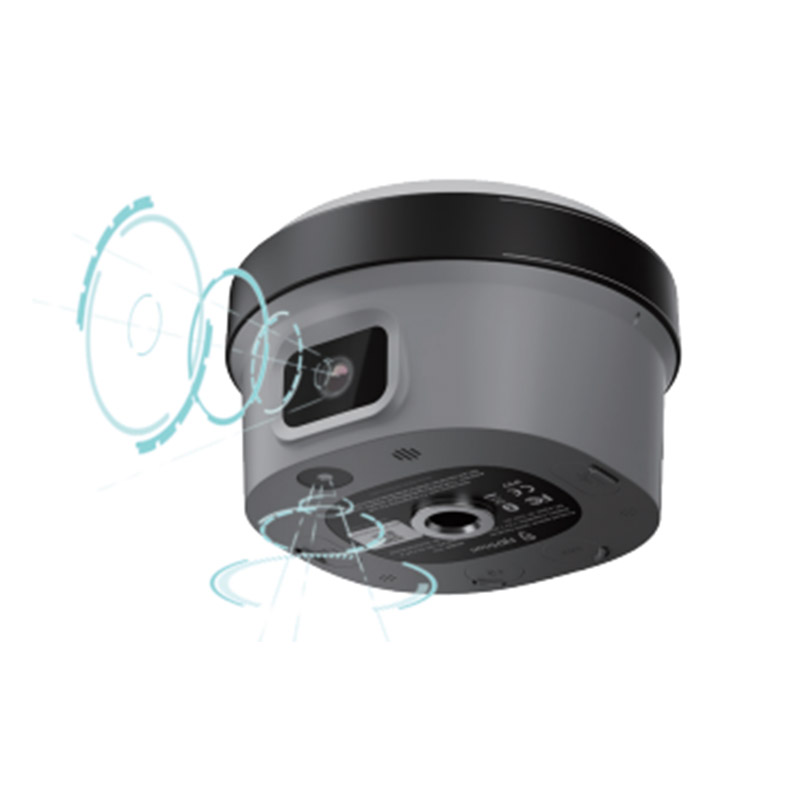
Choke ring antenna design helps address a persistent challenge in precision positioning: signals reflected from nearby surfaces can reach a receiver alongside direct satellite signals. For RTK work, those delayed reflections may distort measurements, complicate ambiguity resolution, and reduce confidence in the position solution. A choke ring structure is intended to limit this multipath interference before it affects the receiver.
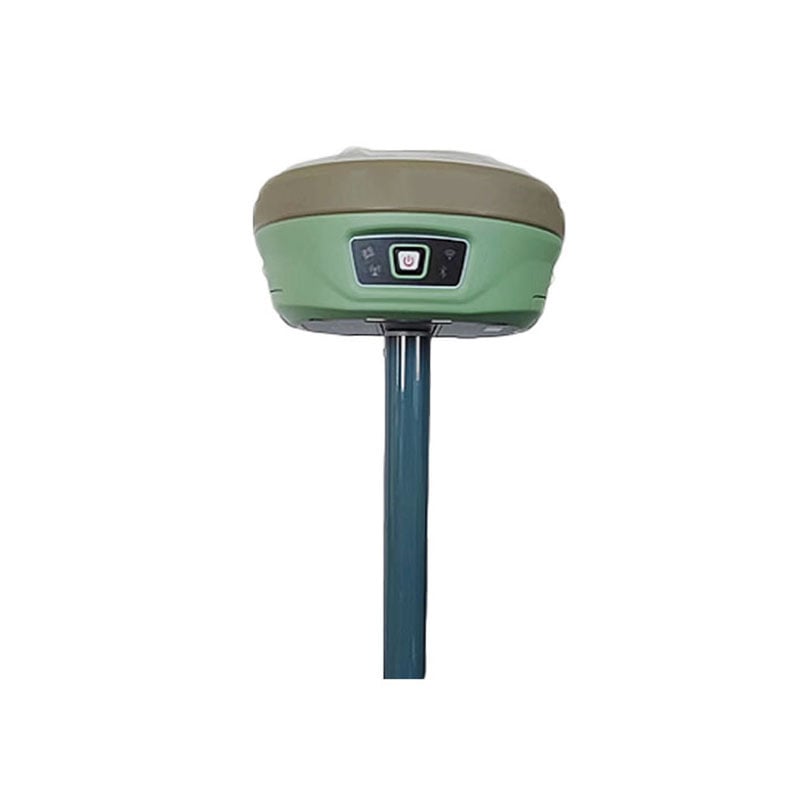
For teams evaluating an RTK antenna, the design matters because the antenna is the first part of the signal chain. Choke rings cannot remove every source of error or replace sound surveying practice, but they can reduce reception of low-angle reflected signals. Understanding how that works helps engineers judge where the design can improve RTK reliability and what installation factors still need attention.
How choke ring geometry reduces multipath
Concentric rings shape the antenna response
A choke ring antenna typically places concentric conductive rings around its radiating element. These structures are designed to influence surface currents and reduce the antenna’s response to signals arriving from low elevation angles. In RTK applications, that directional control is useful because reflections often arrive from the ground, equipment, buildings, or other nearby surfaces rather than directly from overhead satellites.
The rings do not act as a simple physical wall that blocks every reflected signal. Instead, their geometry is tuned to affect how unwanted energy couples into the antenna. That distinction matters when assessing RTK performance: multipath rejection is a design objective, not a promise that reflections disappear under all conditions. The surrounding environment and satellite geometry still influence the measurements.
Why reflected signals disturb RTK measurements
An RTK receiver uses carrier-phase observations to estimate position relative to a reference station or correction source. A reflected signal travels a longer path than a direct signal, so it can arrive with a different phase and interfere with the observation. The resulting error may vary as satellites and equipment move, making it harder to maintain a stable RTK solution.
Multipath is especially relevant when the antenna is close to reflective ground, metal surfaces, walls, or structures with changing geometry. A choke ring antenna can help reduce sensitivity to some of these low-angle paths, supporting cleaner RTK observations. However, it cannot correct errors already introduced by poor setup, obstructed sky visibility, weak corrections, or unsuitable receiver configuration.
Where choke ring antennas fit in RTK work
Survey control and fixed reference installations
A fixed RTK reference station benefits from a stable antenna environment because it must provide consistent observations over time. Choke ring designs are often considered where nearby surfaces could contribute repeatable or changing reflections. By reducing susceptibility to some multipath, the antenna can support more dependable data collection for RTK correction workflows and control-point monitoring.
Site selection remains essential. Install the RTK antenna with a clear view of the sky and sensible separation from walls, roof edges, railings, and machinery. A choke ring may reduce certain reflected signals, but it does not make a poor location equivalent to an open one. Stable mounting, careful centering, and documented antenna height also help preserve the quality of RTK observations.
Field operations near reflective surfaces
Mobile RTK work can bring an antenna close to vehicles, equipment, buildings, or uneven terrain. In those settings, the risk and direction of multipath may change as the operator moves. Choke ring geometry can be useful when a task calls for greater rejection of low-angle interference, but the antenna must still suit the rover’s mounting space, handling needs, and receiver system.
Consider the actual field procedure before selecting an RTK antenna. For a tripod-based survey, physical size and secure mounting may be manageable; for a compact moving platform, weight and clearance may be more restrictive. The best fit depends on the required positioning workflow, the likely sources of reflections, and whether the antenna can maintain a stable relationship to the receiver during operation.
Choosing and integrating a choke ring design
Match antenna specifications to the receiver
A choke ring should be assessed as part of the complete RTK signal chain. Confirm that its supported satellite signals and frequencies align with the receiver and correction service, and review connector and cable requirements. These compatibility details influence whether the RTK setup can use the observations it needs; ring geometry alone cannot compensate for a mismatch elsewhere in the system.
Review the antenna’s phase-center behavior and calibration information where the project requires precise, repeatable RTK results. Consistent antenna orientation and a suitable mounting arrangement help the receiver interpret observations correctly. If the work uses established survey procedures, follow their antenna calibration and setup requirements rather than assuming that every choke ring antenna performs identically across configurations.
Validate performance in the intended environment
Before relying on a choke ring design for production RTK work, evaluate it under representative conditions. Compare solution stability and observation quality in locations where reflections are expected, while keeping receiver settings, correction input, and antenna placement consistent. A controlled comparison gives the team a more useful basis for deciding whether the design addresses its specific multipath problem.
Review performance over enough operating time to encounter changing satellite geometry and typical site conditions. If RTK quality remains inconsistent, investigate sky obstruction, antenna movement, cable or connector issues, correction availability, and setup practice. A suitable choke ring can be one part of a robust measurement plan, but reliable results depend on the whole installation and workflow.
FAQ
Does a choke ring eliminate multipath in RTK?
No. A choke ring is designed to reduce susceptibility to certain reflected signals, particularly those arriving from low elevation angles. RTK results still depend on site conditions, satellite visibility, receiver configuration, and correct installation, so multipath cannot be assumed to disappear completely.
Is a choke ring antenna suitable for every RTK rover?
Not necessarily. Consider the rover’s space, mounting method, supported frequencies, connectors, and operating conditions. A choke ring may suit a fixed or specialized RTK setup, while another antenna format may better match a compact or highly mobile application.
What should be checked during RTK installation?
Prioritize an open sky view, stable mounting, correct antenna height, secure connections, and receiver compatibility. For RTK work that requires repeatable precision, also follow relevant calibration procedures and verify the installation in its actual operating environment.