
 EN
EN
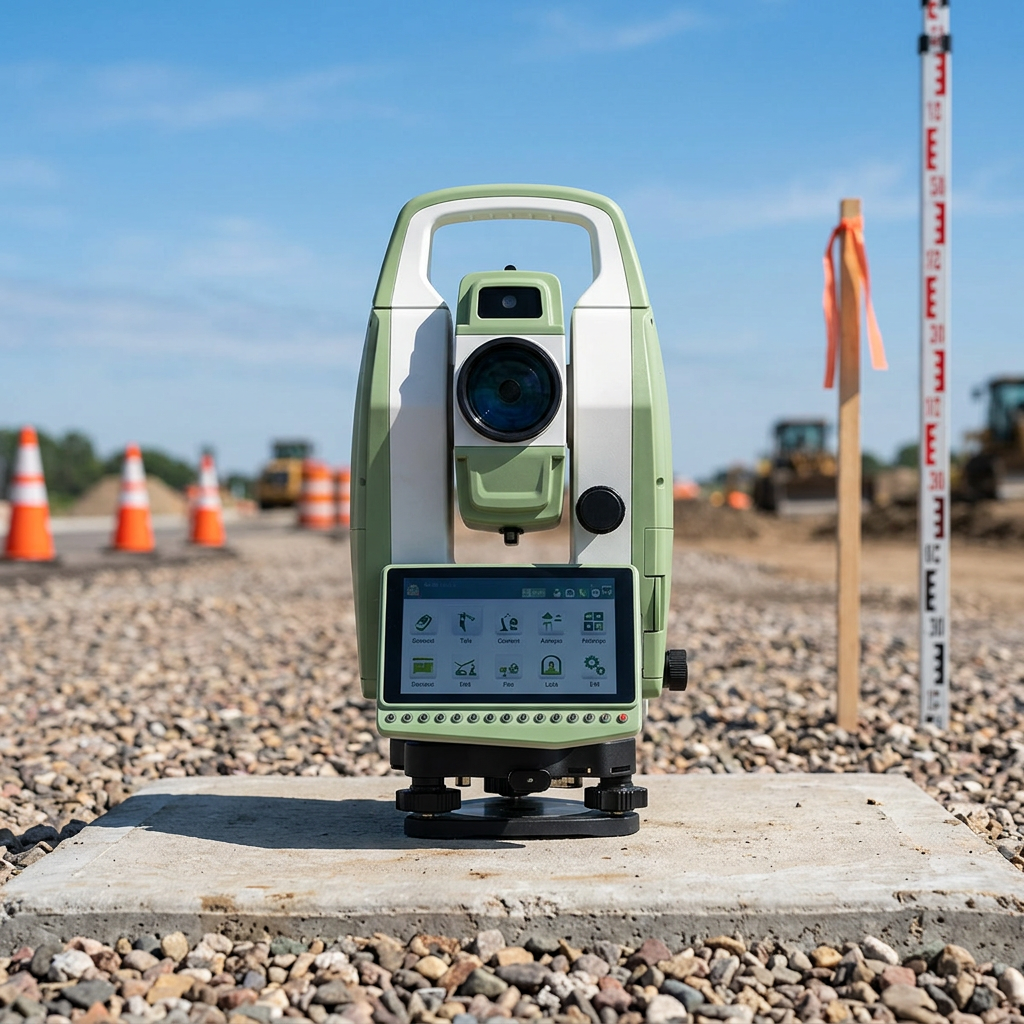
Selecting the right total station for your field team is one of the most consequential equipment decisions a surveying or construction manager can make. A total station directly affects how quickly crews collect data, how accurately they perform layout tasks, and how smoothly survey data flows into your office software. With Android-based platforms now widely available, teams have more flexibility than ever — but that freedom also demands a more careful selection process. Understanding what separates one total station from another will help you invest in a solution that genuinely serves your team's daily workflow.
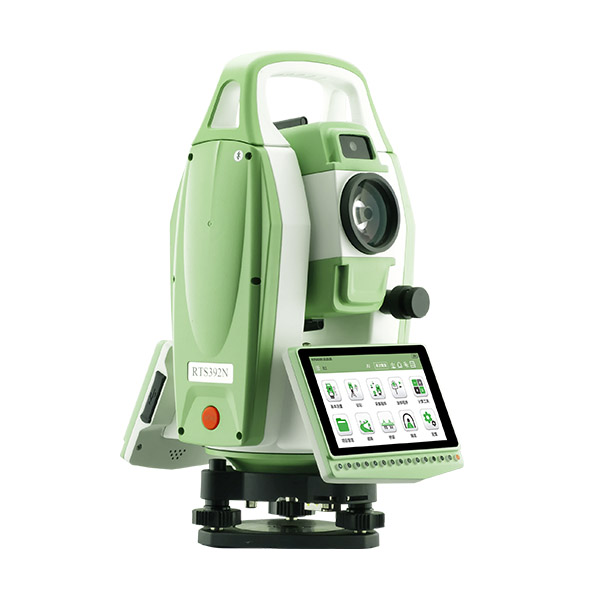
An Android total station combines the precision optics and electronic distance measurement of a conventional total station with the versatility of an Android operating system. This means your team can run third-party survey apps, integrate cloud storage, and connect via Bluetooth or Wi-Fi without being locked into proprietary software ecosystems. For many teams, this openness is a compelling advantage. However, choosing the right Android total station still requires matching instrument specifications to your team's actual job requirements rather than simply selecting the most feature-rich option available.
Key Technical Specifications to Evaluate
Angular and Distance Accuracy
Every total station is defined first by its angular accuracy, typically expressed in arc-seconds, and its distance measurement capability. A total station with 2-arc-second angular accuracy suits high-precision cadastral and engineering surveys, while a 5-arc-second total station is often sufficient for construction layout and topographic work. Before your team commits to any total station model, confirm the angle accuracy meets the tightest tolerance required on your typical projects. Distance accuracy for a total station is usually expressed in millimeters plus parts-per-million, and you should evaluate both prism and reflectorless ranges for the environments your total station will operate in.
Reflectorless Range and EDM Performance
Reflectorless measurement is a critical feature on any modern total station, allowing your team to measure inaccessible points without a prism. The practical reflectorless range of a total station varies widely by model, from 100 meters to over 500 meters depending on surface conditions and laser class. For teams working on facades, bridge inspections, or confined urban sites, a total station with a longer reflectorless range reduces setup moves and saves significant time. Evaluate the EDM performance of a total station under real-world lighting conditions, not just the manufacturer's ideal-surface figures, to avoid unpleasant surprises in the field.
Android Platform Advantages and Software Compatibility
Open Operating System Benefits
An Android total station runs a familiar, open operating system that supports a broad range of survey applications. Teams can install field software that directly matches their office CAD or GIS workflow, making data transfer faster and reducing manual re-entry errors. The Android total station also supports standard file formats that integrate with popular desktop platforms, eliminating the format-conversion bottlenecks that older proprietary total station systems often create. When evaluating an Android total station, confirm that it runs a recent Android version with long-term security support so your investment stays protected as app ecosystems evolve.
Connectivity and Data Management
A modern Android total station typically includes Bluetooth, Wi-Fi, and USB connectivity options. These features allow your total station to sync field data with cloud platforms in near real-time, enabling office staff to review survey data while the crew is still on site. Some Android total station models also support cellular data through SIM card slots, which is highly valuable for remote project sites. Evaluate how your chosen total station handles data backup, because accidental data loss in the field is a serious operational risk. Ensure the total station you select has sufficient onboard storage and a reliable sync process.
Team Fit, Durability, and Total Cost of Ownership
Matching the Total Station to Your Team's Skill Level
A total station is only as effective as the people operating it. Android-based total station instruments tend to have more intuitive touchscreen interfaces compared to older button-driven designs, which can shorten training time for new technicians. However, your team still needs adequate training to use a total station's automated features, such as auto-tracking or remote control via a field controller. Before purchasing a total station, honestly assess your crew's experience level and factor in the time and cost of onboarding. A simpler total station that your team can use confidently may outperform a feature-heavy total station that creates confusion on site.
Durability Ratings and Field Reliability
Field environments are demanding, and a total station must withstand dust, humidity, and physical handling without failing. Look for a total station with an IP55 or higher ingress protection rating, which confirms resistance to dust and water jets. The operating temperature range of a total station matters particularly for teams in extreme climates, whether working in high-altitude cold or humid tropical conditions. Mechanical robustness of the total station — including the tribrach design, locking clamps, and keyboard durability — should be assessed through user feedback and field reviews rather than relying solely on brochure claims. A total station that fails in the field creates project delays that far exceed the savings from choosing a lower-cost instrument.
Total cost of ownership is a broader picture than the purchase price of a total station. Factor in calibration costs, software license fees, warranty terms, and local service availability when comparing total station options. An Android total station from a supplier with strong regional service support will typically deliver lower lifetime costs than a cheaper total station with limited after-sales infrastructure. Teams that invest time in evaluating total station options against their full workflow requirements consistently report higher satisfaction and fewer mid-project equipment issues than teams that choose based on price alone.
FAQ
What angular accuracy should I require from a total station for construction layout?
For most construction layout tasks, a total station with 5-arc-second accuracy is adequate. If your team handles precision engineering or cadastral surveys, select a total station rated at 2 arc-seconds or better to meet tighter tolerances.
Can an Android total station run third-party survey apps reliably?
Yes, an Android total station supports third-party survey applications as long as they are compatible with the installed Android version. Always verify app compatibility before purchase, and confirm the total station receives regular firmware updates to maintain security and performance.
How important is IP rating when choosing a total station for outdoor fieldwork?
IP rating is very important for any total station used in outdoor environments. A total station rated IP55 or higher can resist dust ingress and water jets, protecting the instrument during rain or dusty site conditions. Choosing a total station with insufficient IP protection is a common and costly mistake for field teams.