
 EN
EN
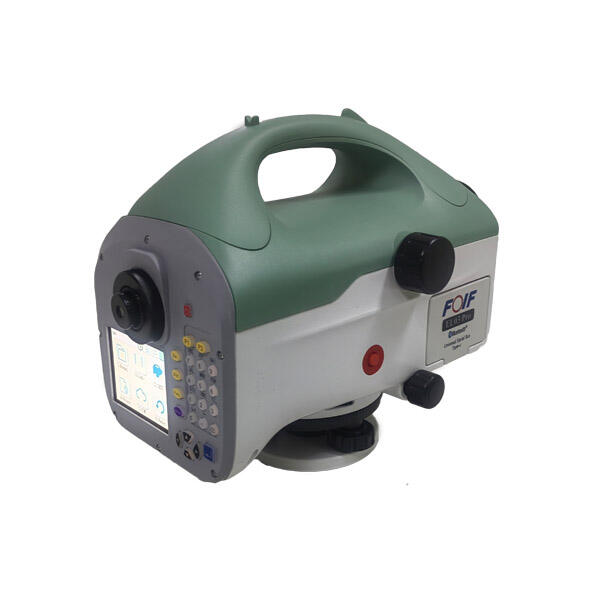
Measurement accuracy is the cornerstone of precision in construction, surveying, machine installation, and industrial alignment tasks. Traditional spirit levels and mechanical instruments have long served these purposes, but their reliance on visual interpretation and environmental sensitivity introduces variability that can compromise outcomes. A digital level transforms this paradigm by integrating electronic sensors, real-time digital displays, and advanced calibration systems that eliminate subjective reading errors and deliver repeatable, quantifiable results. This shift from analog to digital measurement technology addresses the fundamental challenge of human perception limitations while providing objective data that can be documented, analyzed, and verified across multiple project stages.
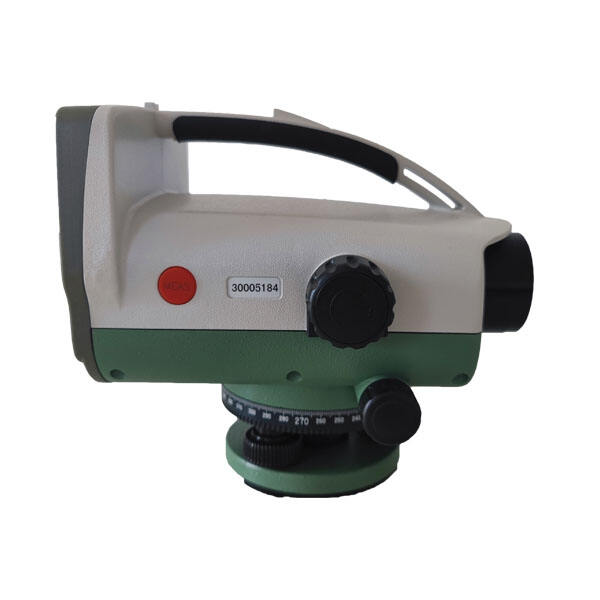
The improvement in measurement accuracy delivered by a digital level stems from its ability to convert physical inclination into precise numerical values through micro-electromechanical systems (MEMS) accelerometers and capacitive tilt sensors. These electronic components detect angular deviation with resolutions often reaching 0.01 degrees or better, far exceeding the practical limits of bubble vial observation. The instrument continuously processes sensor input through onboard microprocessors, applying temperature compensation algorithms and calibration coefficients to ensure consistency across varying field conditions. By removing the parallax errors, bubble settling time, and subjective interpretation inherent in conventional leveling methods, digital measurement systems establish a new baseline for accuracy that supports modern quality standards in engineering, manufacturing, and construction verification workflows.
Electronic Sensing Technology Behind Digital Level Accuracy
MEMS Accelerometer Integration and Angular Resolution
The accuracy advantage of a digital level begins with its core sensing element: the micro-electromechanical systems accelerometer. These silicon-based sensors contain microscopic proof masses suspended by flexible beams, which deflect under gravitational and inertial forces. Capacitive sensing circuits measure these deflections with extraordinary precision, converting physical displacement into electrical signals that correspond to tilt angles. Modern MEMS technology enables resolution specifications of 0.01 degrees or finer, translating to slope detection sensitivity of approximately 0.2 millimeters per meter. This electronic measurement eliminates the visual estimation required when observing bubble position within graduated vial markings, where even experienced operators struggle to discern differences smaller than 0.5 millimeters per meter under field conditions.
The digital level achieves consistent accuracy through continuous signal sampling and digital filtering algorithms that process hundreds of measurements per second. Unlike mechanical bubble levels that require settling time for the liquid to stabilize after movement, electronic sensors provide instantaneous readings that update in real time as the instrument is positioned. This rapid response enables faster setup verification and immediate feedback during adjustment procedures. The digital processing also applies mathematical averaging to reduce noise from vibration or air currents, delivering stable output values even in less-than-ideal measurement environments. The combination of high-resolution sensing and intelligent signal processing fundamentally changes the accuracy ceiling available to field technicians and engineers.
Temperature Compensation and Environmental Stability
Measurement accuracy in precision instruments suffers when thermal expansion and material property changes introduce systematic errors across temperature ranges. A digital level addresses this challenge through embedded temperature sensors and compensation algorithms that adjust output readings based on current operating conditions. The microprocessor continuously monitors internal temperature and applies correction factors derived from factory calibration data, ensuring that displayed angle values remain accurate whether the instrument is used in freezing outdoor conditions or heated industrial facilities. This automatic compensation eliminates the need for manual adjustment tables or correction calculations that add complexity and potential error sources to traditional measurement procedures.
The electronic architecture of a digital level also provides inherent stability advantages over fluid-filled vials, which experience viscosity changes and bubble behavior variations across temperature extremes. Alcohol or other leveling fluids become more sluggish in cold environments, extending settling times and reducing operator confidence in bubble position readings. Conversely, elevated temperatures can cause fluid expansion that alters vial geometry and reference accuracy. By replacing fluid dynamics with solid-state electronic sensing, the digital level maintains consistent performance across the full operating temperature range, typically specified from negative twenty to positive sixty degrees Celsius. This environmental robustness translates directly to measurement reliability in diverse field applications where traditional instruments would require frequent recalibration or yield questionable results.
Elimination of Human Reading Errors Through Digital Display
Objective Numerical Output Versus Subjective Interpretation
Traditional spirit levels require operators to judge bubble position relative to reference lines etched or printed on the vial, a process inherently subject to parallax error, lighting conditions, and individual visual acuity differences. Two technicians measuring the same surface can report different conclusions when interpreting bubble centering within tolerance markings, particularly when angles fall near acceptance boundaries. A digital level removes this subjectivity by presenting tilt measurements as explicit numerical values on an electronic display, typically showing angles in degrees with decimal precision or slopes in percentage or millimeter-per-meter units. This objective readout eliminates interpretive variability, ensuring that any operator reading the display obtains identical information regardless of viewing angle, experience level, or ambient light conditions.
The numerical precision of a digital level also enables quantitative documentation of measurements that supports quality assurance protocols and regulatory compliance requirements. Rather than recording qualitative assessments like acceptable or within tolerance, technicians can log exact angle values with timestamps and location references. This data traceability proves essential in industries where installation accuracy must be verified through documented evidence, such as precision machinery alignment, structural steel erection, or optical equipment mounting. The digital format facilitates automatic data transfer to project management systems, eliminating transcription errors associated with manual notation and enabling statistical analysis of measurement trends across multiple verification points.
Multi-Axis Measurement Capability and Efficiency
Many digital level models incorporate dual-axis sensing that simultaneously measures inclination in two perpendicular planes, providing comprehensive surface orientation information from a single instrument placement. This capability streamlines measurement workflows compared to traditional single-axis bubble levels, which require multiple positioning steps and careful rotation to assess both longitudinal and transverse slope components. The digital instrument displays both axis readings concurrently, allowing operators to identify compound angles and make multi-directional adjustments without repositioning the level repeatedly. This efficiency reduces setup time and minimizes cumulative positioning errors that occur when moving instruments between measurement orientations.
The simultaneous dual-axis measurement of a digital level also improves accuracy when verifying flatness or evaluating complex surface geometries. Operators can quickly map inclination variations across a plane by taking readings at multiple points, building a numerical profile that reveals subtle deviations invisible to simple pass-fail bubble observation. Advanced digital level models include data logging functions that store measurement sequences with positional annotations, enabling post-processing analysis and graphical visualization of surface topology. This analytical capability transforms leveling from a binary verification task into a quantitative assessment process that supports root cause analysis when tolerance exceedances occur and guides corrective action with objective data rather than guesswork.
Calibration Integrity and Long-Term Accuracy Maintenance
Electronic Calibration Systems and Verification Procedures
The accuracy of a digital level depends on calibration integrity that establishes the relationship between sensor output and true angular position. Factory calibration involves placing the instrument on precision reference surfaces with known inclinations traceable to national metrology standards, then programming correlation coefficients into the microprocessor memory. This electronic calibration process achieves accuracy specifications typically within plus-or-minus 0.02 degrees across the measurement range, with linearity maintained through multi-point calibration routines. Unlike mechanical levels where calibration involves physical adjustment of vial mounting or reference surfaces, digital calibration operates entirely through software parameters that remain stable unless deliberately altered or corrupted.
Field verification of digital level accuracy follows straightforward procedures that provide confidence in measurement integrity without requiring specialized metrology equipment. The reversal method involves taking a reading on a stable surface, rotating the instrument 180 degrees, and comparing the second reading. In a properly calibrated digital level, the two measurements should differ only by sign while maintaining identical absolute values. Any deviation indicates calibration drift or systematic error requiring correction. Many digital level models include self-test functions accessible through menu systems that execute internal diagnostic routines and display pass-fail indicators for sensor function, battery voltage, and calibration validity. These built-in verification capabilities empower users to confirm instrument accuracy before critical measurements, establishing confidence levels impossible with passive mechanical devices.
Digital Calibration Adjustment and User Calibration Features
Advanced digital level instruments incorporate user-accessible calibration adjustment functions that enable field correction of systematic errors without returning the device to the manufacturer. The operator places the instrument on a reference surface, initiates calibration mode through the control interface, and allows the digital level to establish a new zero reference or adjust gain coefficients. This capability proves valuable when instruments experience calibration drift due to mechanical shock, prolonged storage, or extreme environmental exposure. The ability to perform field calibration reduces downtime and maintains measurement accuracy throughout the instrument lifecycle, particularly important for organizations operating in remote locations or requiring continuous availability of precision measurement tools.
The digital architecture also enables calibration certificates and traceability documentation that satisfy quality management system requirements under ISO 9001 and similar standards. Manufacturers can provide calibration reports showing measurement uncertainty budgets, reference standard traceability chains, and compliance with national or international metrology frameworks. Users performing periodic verification can generate internal calibration records documenting instrument serial numbers, verification dates, test results, and technician identification. This documentation infrastructure supports audit trails and measurement system analysis protocols that demonstrate ongoing accuracy control, a critical requirement in regulated industries where measurement integrity directly affects product quality, safety, or regulatory compliance status.
Practical Accuracy Improvements in Field Applications
Construction and Structural Installation Accuracy Enhancement
In structural steel erection and concrete formwork installation, the digital level delivers accuracy improvements that directly impact final construction quality and reduce costly rework. Column plumbness verification traditionally relies on bubble level observation at multiple elevations, with acceptance criteria often specified as maximum deviation per unit height. A digital level measuring plumbness every meter along a ten-meter column can detect 0.01-degree deviations corresponding to approximately two-millimeter offset at the top, enabling immediate corrective shimming before concrete placement or connection welding. This precision prevents cumulative tolerance stackup that would otherwise manifest as connection misalignment or require expensive field modifications after structural elements have been fixed in place.
Floor flatness and levelness specifications in modern construction, particularly for warehouse facilities with narrow-aisle racking systems or precision manufacturing plants, demand measurement accuracy beyond traditional three-meter straightedge methods. The digital level enables rapid floor profile surveys by recording elevation readings on a defined grid pattern, with numerical data processed to calculate F-numbers or other flatness metrics. The quantitative output identifies specific locations requiring grinding or patching, optimizing remediation efforts through targeted intervention rather than broad-area surface treatment. This measurement precision reduces material waste and labor while ensuring final floor surfaces meet increasingly stringent tolerance requirements driven by automated material handling equipment and precision machinery installation needs.
Mechanical Alignment and Machine Installation Precision
Precision machinery installation requires angular accuracy that challenges the limits of traditional bubble levels, particularly when establishing foundation pads or mounting surfaces for equipment sensitive to inclination. Rotating equipment like centrifugal pumps, turbines, and motor-generator sets may specify maximum baseplate slope tolerances of 0.05 degrees to prevent bearing load imbalance and shaft deflection that accelerate wear and cause premature failure. A digital level measuring baseplate inclination in both axes simultaneously provides immediate verification of whether grouting or shimming has achieved specification compliance, enabling iterative adjustment with objective feedback rather than subjective bubble observation. This measurement precision translates directly to equipment reliability and maintenance cost reduction over the operational lifecycle.
The digital level also improves accuracy in machine tool installation and manufacturing equipment alignment where geometric relationships determine product quality and process capability. Grinding machines, coordinate measuring machines, and precision assembly stations require bed levelness within microns over meter-scale distances to maintain accuracy specifications. Converting these geometric tolerances to angular measurements yields requirements often tighter than 0.01 degrees, a precision range where bubble level resolution becomes inadequate. The digital level provides the measurement confidence needed to verify installation compliance and troubleshoot accuracy drift over time, supporting root cause analysis when manufacturing processes generate out-of-tolerance components. This application of digital measurement technology bridges the gap between coarse construction tolerances and precision engineering requirements.
Data Integration and Quality Assurance Benefits
Digital Data Capture and Automated Documentation
The accuracy advantage of a digital level extends beyond individual measurements to encompass data management and quality system integration capabilities. Models equipped with Bluetooth or USB connectivity enable automatic transfer of measurement data to tablets, smartphones, or computer systems running documentation software. This digital workflow eliminates manual transcription errors that occur when operators record bubble level observations on paper forms, then later transfer values into spreadsheets or quality management databases. The automated data capture ensures that recorded measurements precisely reflect displayed values at the moment of reading, preserving measurement integrity through the documentation chain and enabling real-time visibility for project managers and quality personnel.
Digital level integration with mobile applications and cloud-based project management platforms creates audit trails that link measurements to specific locations, timestamps, and responsible individuals. This traceability supports quality assurance investigations when tolerance exceedances are detected during subsequent inspection stages, enabling review of original installation measurements and identification of whether issues stem from initial setup errors or post-installation drift. The digital records also facilitate trend analysis across multiple projects, revealing systematic accuracy patterns that might indicate calibration drift, operator training needs, or specification interpretation inconsistencies. This analytical capability transforms measurement data from point-in-time verification results into strategic quality intelligence that drives continuous improvement initiatives.
Statistical Process Control and Measurement System Analysis
The numerical precision and data capture capabilities of a digital level enable statistical analysis techniques borrowed from manufacturing quality control, applied to construction and installation processes. Measurement datasets collected during repetitive installation tasks, such as mounting multiple identical equipment units or placing modular structural components, can be analyzed for central tendency and variation patterns. Control charts plotting measured inclinations against specification limits reveal whether processes operate in statistical control or exhibit special cause variation requiring intervention. This analytical approach moves beyond individual pass-fail judgments to assess process capability and predict future quality performance based on measurement distributions.
Measurement system analysis protocols, including gage repeatability and reproducibility studies, become practical when using a digital level rather than subjective bubble observation methods. Multiple operators measuring the same test surfaces with the digital instrument generate numerical datasets that quantify measurement variation attributable to equipment precision versus operator technique differences. These studies establish measurement uncertainty budgets that inform tolerance specification decisions and identify training opportunities when operator-to-operator variation exceeds acceptable thresholds. The ability to conduct rigorous measurement system validation using digital level technology strengthens quality management systems and provides defensible evidence of measurement capability when facing customer audits or regulatory inspections.
FAQ
What accuracy range can I expect from a digital level compared to a traditional bubble level?
A digital level typically provides accuracy in the range of 0.01 to 0.05 degrees depending on the model grade, which translates to approximately 0.2 to 0.9 millimeters per meter of slope detection sensitivity. This represents a significant improvement over traditional bubble levels, which generally offer reading precision limited to 0.5 to 1.0 millimeters per meter due to vial graduation spacing and bubble observation constraints. The electronic measurement eliminates parallax errors and subjective interpretation, delivering repeatable numerical values that remain consistent across different operators and environmental conditions. For applications requiring verification of flatness, plumbness, or alignment within tight tolerances, the digital level provides measurement resolution and accuracy that surpasses what can be reliably achieved through visual bubble observation methods.
How often does a digital level require calibration to maintain accuracy?
Calibration frequency for a digital level depends on usage intensity, handling conditions, and accuracy requirements of specific applications. Most manufacturers recommend annual calibration for instruments used in general construction and installation work, with more frequent intervals of six months or quarterly for critical precision applications or quality system compliance requirements. The digital level should also undergo calibration verification after mechanical shock events such as drops or impacts, prolonged storage periods, or whenever reversal check procedures indicate deviation beyond specified limits. Many organizations implement internal verification schedules using simple reversal methods between formal calibrations, providing ongoing confidence in measurement integrity without requiring external calibration services. The solid-state electronic architecture of digital level instruments generally maintains calibration stability better than mechanical devices, reducing drift rates and extending intervals between formal recalibration compared to traditional precision measurement equipment.
Can a digital level improve measurement speed in addition to accuracy?
Yes, the digital level significantly improves measurement efficiency alongside accuracy gains, primarily through instantaneous reading availability and elimination of bubble settling time. Traditional spirit levels require operators to wait for liquid and bubble stabilization after each positioning adjustment, often taking several seconds before confident reading interpretation becomes possible. The digital level provides immediate numerical output as soon as the instrument is placed, enabling rapid verification of multiple points without waiting periods. Dual-axis measurement capability further enhances efficiency by simultaneously displaying inclination in two perpendicular directions from a single setup, eliminating the need to reposition the instrument for orthogonal measurements. Models with data logging features also streamline documentation by automatically capturing readings with timestamps and location references, removing the time-consuming manual recording steps that slow traditional measurement workflows and introduce transcription errors.
Are digital level readings affected by magnetic fields or electrical interference?
Digital level instruments using MEMS accelerometer and capacitive tilt sensor technology are generally immune to magnetic field interference, unlike magnetic compass-based measurement devices. The sensing principles rely on gravitational force detection through mechanical proof mass displacement rather than magnetic alignment, making the measurement process inherently insensitive to magnetic environments. Electromagnetic interference from nearby electrical equipment, radio transmitters, or welding operations also rarely affects digital level accuracy because the low-frequency nature of tilt measurement and internal signal filtering reject high-frequency noise. However, users should avoid placing digital level instruments directly on surfaces subject to mechanical vibration from operating machinery, as physical movement can introduce measurement noise that exceeds the filtering capability of the signal processing algorithms. For critical measurements in environments with potential vibration sources, brief averaging periods or vibration isolation pads ensure stable readings and maintain the accuracy advantages that digital level technology provides over traditional measurement methods.
Table of Contents
- Electronic Sensing Technology Behind Digital Level Accuracy
- Elimination of Human Reading Errors Through Digital Display
- Calibration Integrity and Long-Term Accuracy Maintenance
- Practical Accuracy Improvements in Field Applications
- Data Integration and Quality Assurance Benefits
-
FAQ
- What accuracy range can I expect from a digital level compared to a traditional bubble level?
- How often does a digital level require calibration to maintain accuracy?
- Can a digital level improve measurement speed in addition to accuracy?
- Are digital level readings affected by magnetic fields or electrical interference?