
 EN
EN
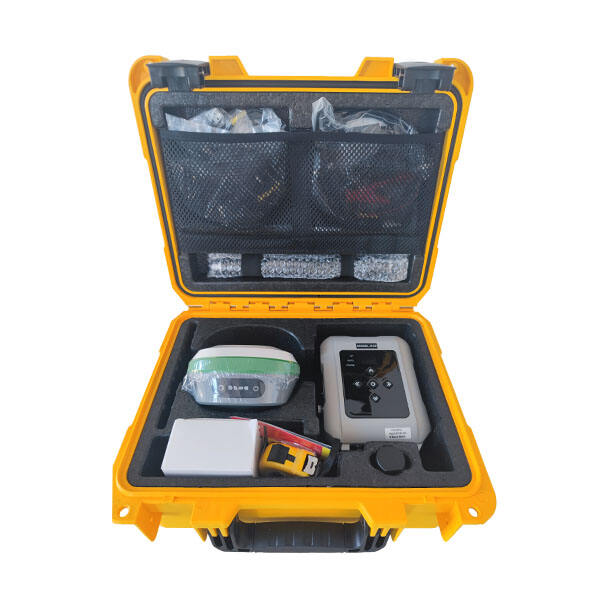
Избирането на правилния RTK Изборът на система е едно от най-важните решения, които един геодезист, инженер или специалист по полеви данни може да вземе. Технологията RTK осигурява позиционна точност на сантиметрово ниво, но не всеки приемник RTK работи еднакво добре във всички среди и приложения. Преди да се извърши покупка, разбирането на начина за четене и сравняване на техническите характеристики на RTK позволява на купувачите да излязат извън маркетинговия език и да се фокусират върху това, което наистина има значение за реалната производителност.
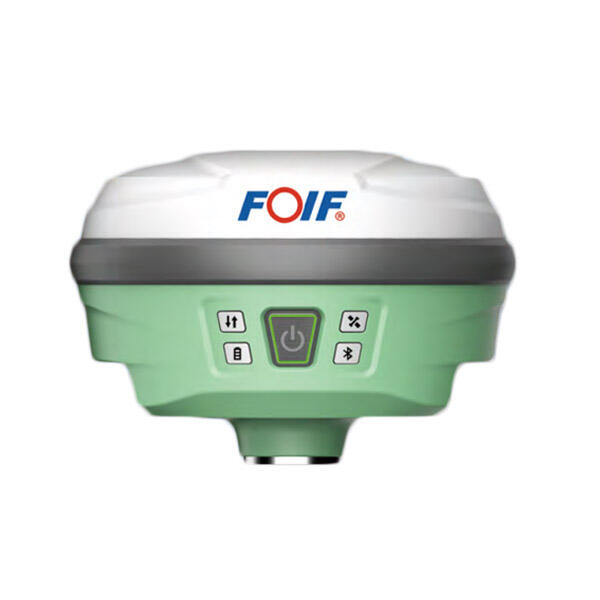
Това ръководство представя най-критичните категории спецификации за RTK, които трябва да проучите преди покупка. От точността на позиционирането и времето за инициализация до поддържаните сигнали и обхватът на комуникацията — всеки параметър играе пряка роля за това дали един RTK модул ще осигури надеждни резултати в конкретния ви операционен контекст. Оценката на RTK хардуера с тази рамка гарантира, че ще инвестирате в решение, което отговаря на вашия работен процес, а не само на бюджета ви.
Точност на позиционирането и производителност при инициализация
Разбиране на спецификациите за точност на RTK
Спецификацията за точност обикновено е първото число, на което купувачите обръщат внимание при сравнение на RTK продукти. Повечето RTK приемници посочват стойности за хоризонтална и вертикална точност, често изразени в сантиметри, комбинирани с компонент „част на милион“. Често срещана RTK спецификация като 8 mm хоризонтална и 15 mm вертикална точност показва очакваната прецизност на измерването при идеални условия с открито небе. За да се разбере тази стойност, е необходимо да се има предвид, че тя представлява статистическо ниво на доверие, обикновено в диапазона 1-сигма или 2-сигма, а не гарантирana абсолютна стойност във всяка ситуация.
При оценката на твърденията за точността на RTK винаги проверявайте дали посочената стойност се отнася до точността при фиксирано решение или при плаващо решение. Фиксираното RTK решение е значително по-точно от плаващото решение. Ако в техническия документ не се прави разлика между тези два режима, това е тревожен сигнал. Надеждните RTK системи предоставят отделни стойности за точност при фиксиран и при плаващ режим, което ви дава по-ясна представа за очакваната производителност при различни спътникови условия.
Време за инициализация на RTK и честота на фиксиране
Времето за инициализация измерва колко бързо RTK приемникът постига фиксирано решение от студен или топъл старт. По-бързата RTK инициализация влияе пряко върху производителността на полето, особено в среди, където препятствия редовно прекъсват заключването на сателита. Една силна RTK система би трябвало да постигне фиксирано решение в рамките на няколко секунди при условия на открито небе. Честотата на фиксиране, която описва процента от времето, през което RTK устройството поддържа фиксирано решение, е също толкова важна. Високата честота на фиксиране означава, че RTK приемникът поддържа точно позициониране, вместо често да се връща в режим на плаване, което е от решаващо значение за работните процеси за непрекъснато събиране на данни.
Следене на сигнала и комуникационни възможности
Поддръжка на RTK с множество спътникови системи и множество честоти
Съвременните RTK приемници трябва да поддържат множество GNSS констелации, включително GPS, GLONASS, BeiDou и Galileo. Колкото повече сигнали от спътници може да проследява една RTK единица едновременно, толкова по-добре е нейното представяне в предизвикателни среди, като например градски каньони, ръбове на гори или зони с частично закрито небе. Поддръжката на многочестотни RTK сигнали, особено в честотните диапазони L1, L2 и L5, значително намалява времето за инициализация и подобрява надеждността на RTK при атмосферни смущения. При оценка на RTK хардуера винаги потвърждавайте както броя на поддържаните констелации, така и конкретните честотни диапазони, които се покриват, тъй като те директно влияят върху полевата производителност при неидеални условия.
Системите с една честота за RTK са по-евтини, но по-уязвими към деградация на сигнала и изискват по-дълго време за инициализация. За професионални приложения в областта на геодезията, строителството или прецизното земеделие приемникът за RTK с две или три честоти осигурява измеримо оперативно предимство. Броят на канали за RTK, който понякога се посочва в техническите спецификации, отразява общия брой налични канали за проследяване на сигнали; по-високите стойности обикновено са свързани с по-добро едновременно проследяване на спътници и по-устойчива работа на RTK.
Далечина на връзка за RTK и връзки за корекционни данни
RTK приемникът разчита на коригиращи данни от базова станция или от услуга за RTK мрежа, за да постигне точност на ниво сантиметри. Методът за комуникация, използван за предаване на тези RTK коригиращи данни, значително влияе върху оперативния обхват и гъвкавостта. Често срещани опции за RTK комуникация включват вграден UHF радиопредавател, модеми за клетъчни данни и Wi-Fi връзки. При оценка на RTK системи потвърдете поддържаните формати за корекции, като например RTCM 3.x, CMR или собствени протоколи, и осигурете съвместимост с мрежовата инфраструктура или инфраструктурата на базовата станция, която планирате да използвате.
Системите RTK с интегрирани мобилни модеми позволяват връзка към корекционни мрежи, базирани на NTRIP, което отстранява ограничението за разстояние на базовата линия при традиционните RTK-системи, използващи радиовръзка. RTK-системите, базирани на радиовръзка, продължават да са ценни в райони без мобилно покритие, но ефективният обхват зависи от височината на антената, релефа и мощното предаване. Винаги проверявайте максималното специфицирано разстояние на RTK-базовата линия, за да се уверите, че то обхваща целевата ви работна зона. Някои RTK-устройства също поддържат компенсация на наклона, която позволява точни RTK-измервания дори когато стълбът не е напълно вертикален – функция, която значително ускорява полевата работа.
Качество на хардуера и функции за интеграция
Дълготрайност, захранване и екологични класификации
Полевото оборудване RTK трябва да издържа изискващи физически условия. Преди закупуване на устройство RTK проверете класа на защита IP, който показва устойчивостта му към прах и вода. Клас IP67 или IP68 означава, че приемникът RTK може да издържи кратковременно потапяне и проникване на фин прах, което е съществено за надеждна работа на строителни обекти или във влажни земеделски среди. Автономността на батерията е друга критична характеристика. По-дългото време на работа на устройството RTK при един заряд намалява необходимостта от смяна на батериите по средата на проекта, което директно подобрява ефективността на полевата работа.
Работният температурен диапазон има значение за потребителите, които работят в екстремни климатични условия. Уверете се, че устройството RTK е сертифицирано за температурните екстремни стойности, характерни за региона ви. Спецификациите за устойчивост към удари и толерантност към падане показват колко здраво е изградено хардуерното устройство RTK за редовно използване и транспортиране. Някои модели RTK предлагат набор от сензори за наклон и вибрации, които могат да подобрят както безопасността, така и качеството на данните по време на мобилно събиране на данни RTK. RTK дизайнът на приемника трябва да отговаря на интензитета на вашата работна среда.
Съвместимост със софтуер и изходни данни от RTK
RTK устройството е толкова полезно, колкото данните, които предава във вашите работни процеси. Оценете поддържаните от RTK приемника формати за изходни данни, включително NMEA 0183, сурови наблюдателни файлове и всички собствени формати, за да се гарантира съвместимостта му с вашите GIS, CAD или геодезически софтуерни платформи. Възможностите за връзка чрез Bluetooth, USB и последователен порт влияят върху лекотата, с която RTK данните се предават към полеви контролери или свързани устройства. Също така е препоръчително да проверите дали устройството поддържа актуализации на фърмуерите, тъй като производителите, които редовно обновяват фърмуерите за RTK, могат да удължат полезния живот на хардуера и да добавят поддръжка за нови спътникови констелации при появата на нови сигнали.
Често задавани въпроси
Каква точност трябва да постига професионален RTK приемник?
Професионалният RTK приемник трябва да постига хоризонтална точност от около 8–10 мм и вертикална точност от 15–20 мм при фиксирано RTK решение в условия с открито небе. Винаги проверявайте дали посочената RTK точност се отнася до фиксирано или плаващо решение, тъй като те се различават значително.
Как поддръжката на многочестотен режим подобрява RTK производителността?
Многочестотната RTK поддръжка позволява на приемника да разрешава нееднозначностите във фазата на носителя по-бързо и по-надеждно. Това води до по-бързо инициализиране на RTK, по-висок процент на фиксиране в частично затворени среди и подобрена стабилност на RTK точността при йоносферни смущения в сравнение с едночестотните RTK системи.
Кой метод за комуникация е най-подходящ за корекционните данни на RTK?
Най-добрата RTK комуникационна методика зависи от работната ви среда. Клетъчната RTK корекция чрез NTRIP мрежи предлага неограничен обсег на базовата линия там, където има покритие. RTK чрез радиосигнал е по-подходяща за отдалечени райони без мобилно покритие. Оценката на двата варианта преди покупка гарантира, че вашата RTK система ще работи надеждно на всички планирани проекти.