
 EN
EN
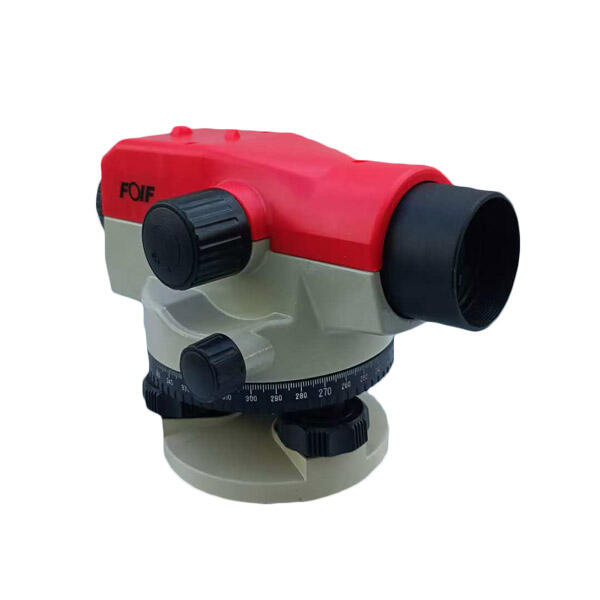
اختيار الحق مستوى أوتوماتيكي لプロジェクト مساحي أو إنشائي ليس أبدًا قرارًا واحدًا يناسب الجميع. ويُعَد نطاق القياس في الميزان التلقائي أحد أهم المواصفات التي يجب تقييمها قبل بدء أي أعمال ميدانية، وقد يؤدي الاختيار الخاطئ لهذا النطاق إلى المساس بدقة البيانات، وتباطؤ سير العمل، وزيادة تكاليف المشروع. وفهم العوامل التي تحكم هذه المتطلبات المتعلقة بالنطاق يمنح المهندسين والمساحين ومدراء المشاريع الرؤية اللازمة لتوفيق الجهاز المناسب مع المهمة المناسبة.
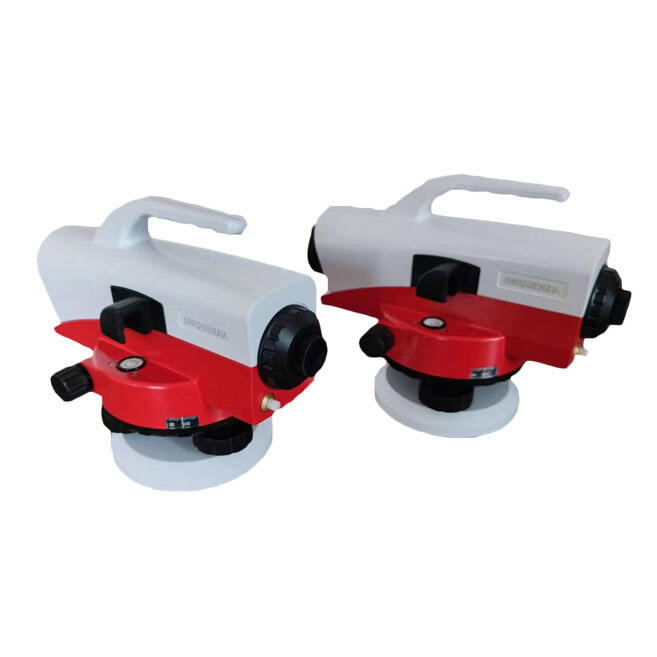
يعمل الميزان التلقائي باستخدام آلية تعويض مدمجة تلغي تلقائيًا أي ميل طفيف في الجهاز، مما يوفّر خط رؤية أفقيًّا دقيقًا. ويعتمد مدى القياس الفعّال — أي المسافة التي يمكن للجهاز أن يقاس بها بدقة — على مجموعة من العوامل تشمل القدرة البصرية، وظروف الموقع، ونوع المشروع، ومتطلبات المستخدم. ويستعرض هذا المقال كلًّا من هذه العوامل المحدِّدة بالتفصيل لمساعدتك على اتخاذ قرارات مستنيرة جيدًا عند تحديد مواصفات ميزان تلقائي لأي تطبيق.
حجم المشروع وهندسة الموقع
دور أبعاد الموقع
إن الحجم المادي للمشروع يُعَدُّ على الأرجح العامل الأكثر وضوحًا الذي يؤثر في مدى القياس الذي يجب أن يغطيه مستوى تلقائي. فموقع سكني صغير تتسم مسافات الرؤية الخلفية والرؤية الأمامية فيه بالقصر يتطلب قدراتٍ مختلفة تمامًا مقارنةً بمشروع بنية تحتية كبير يمتد لمسافات تصل إلى مئات الأمتار. وعندما تتضمَّن هندسة الموقع اجتيازات طويلة، لا بد أن يحافظ المستوى التلقائي على وضوحه البصري ودقته الزاوية عبر تلك المسافات الممتدة دون إدخال أخطاء تراكمية.
في مواقع البناء الواسعة، أو محاور الطرق، أو ممرات خطوط الأنابيب، قد يتطلب الأمر استخدام الميزان التلقائي لقراءة أهداف العصا عند مسافات تتجاوز ٨٠ إلى ١٠٠ متر في إعداد واحد. ولذلك، فإن الأجهزة المزودة بعدسات ذات تكبير أعلى ضرورية لتمييز التدريجات الدقيقة على عصي القياس عن بُعد كبير.
وبالمقابل، فإن البيئات الحضرية الضيقة أو الداخلية تفرض قيودًا مختلفة على الميزان التلقائي. فمسافات الرؤية القصيرة مع وجود عوائق مثل الجدران أو الأعمدة أو النباتات تعني أن السعة الإجمالية للمسافة ليست بالعامل الحاسم، بل تصبح عوامل أخرى مثل القدرة على التركيز القريب ومدى مجال الرؤية أكثر أهمية. وبالتالي، فإن مطابقة الميزان التلقائي مع هندسة الموقع تُعَدُّ الخطوة الأولى الأساسية في تحديد متطلبات المدى.
تضاريس_variation والتفاوت في الارتفاع
تُعقِّد المواقع التي تشهد تغيُّرات كبيرة في الارتفاع عملية تحديد مستوى الأداة الآلية (Auto Level) بشكل إضافي. فتحتاج المنحدرات الشديدة إلى أن تكون الأداة قادرةً على التعامل مع قراءات كبيرة للاستقبال على العارضة (Staff Intercept)، وقد تقلِّل هذه الانحدارات من النطاق الفعّال للعمل بسبب الزاوية التي يصطدم بها خط البصر بالعارضة. ويجب أن تقدِّم الأداة الآلية قراءاتٍ موثوقةً حتى عند وجود تضاريس غير مستوية أو منقطعة بين موقع الأداة والعارضة.
في المناطق الجبلية أو الوعرة، قد يؤدي التباعد الرأسي بين نقطة القياس ونقطة الهدف إلى تجاوز حدود دقة قراءة جهاز التسوية الآلي في عملية ضبط واحدة. لذا، يجب على المساحين مراعاة ثابت الاستاديا للجهاز وقدرته على استكمال قراءات المسطرة عند الارتفاعات المختلفة. تتطلب المواقع ذات التضاريس المرتفعة جهاز تسوية آليًا مصممًا لنطاق تشغيل أوسع ومجهزًا بمعوض ثابت بما يكفي لتحمل الاهتزازات الناتجة عن الآلات القريبة أو التعرض للرياح على قمم الجبال المكشوفة.
المواصفات البصرية وتأثيرها على النطاق
التكبير وقطر العدسة الهدفية
يحدد التصميم البصري لميزان التسوية الآلي بشكل مباشر المسافة القصوى التي يمكن أن يُقْرَأ بها الجهاز بدقة. وتسمح مستويات التكبير الأعلى — والتي تُعبَّر عنها عادةً بـ 20× أو 24× أو 28× أو 32× — للمُشغِّل بالتمييز بين التفاصيل الدقيقة جدًّا على لوحة القياس (الستاف) على مسافات أبعد. فميزان التسوية الآلي ذي التكبير 32× قادرٌ على قراءة لوحة القياس على بعد ١٠٠ متر بوضوحٍ أكبر بكثيرٍ من ميزان التسوية ذي التكبير 20× عند تنفيذ نفس المهمة في ظل نفس الظروف.
ويكتسب قطر العدسة الهدفية أهميةً مماثلةً. فالعدسة الهدفية الأكبر حجمًا تلتقط كميةً أكبر من الضوء، ما يُترجم إلى صورةٍ أكثر إشراقًا ووضوحًا على المسافات الطويلة وفي الظروف المنخفضة الإضاءة. وللمشاريع التي تتطلب قياسات على مدى بعيد أو التي تُنفَّذ في ظروف الغيوم أو الفجر، يوفِّر ميزان التسوية الآلي ذو العدسة الهدفية الأكبر مزاياً ملموسةً. وعند تقييم هذه الأجهزة للاستخدام في متطلبات المدى الصعبة، ينبغي النظر في كلٍّ من التكبير وقطر العدسة معًا، لا بشكل منفصل.
تلعب دقة التصوير والتباين في النظام البصري أيضًا دورًا مهمًّا. فحتى عند نفس مستوى التكبير، قد تختلف أجهزة التسوية الآلية اثنين بشكلٍ كبيرٍ في قدرتها على التمييز بين خطوط التدريج عند حدود مدى عملها. وتقلِّل الطلاءات البصرية عالية الجودة والعدسات المصنوعة بدقة من الانحراف اللوني والتوهج الداخلي، مما يحافظ على وضوح الصورة وقابليتها للاستخدام على مسافات رؤية أطول وفي ظروف إضاءة محيطة متغيرة.
دقة الحساس التلقائي وحساسيته
المُعوِّض التلقائي الموجود داخل الميزان التلقائي مسؤول عن الحفاظ على خط رؤية أفقي دقيق بغض النظر عن أي ميل طفيف في الجهاز. وتحدد دقة المُعوِّض، التي تُعبَّر عنها بالثواني القوسية، مدى دقة تصحيح الجهاز للحالات غير المستوية. وكلما كانت دقة المُعوِّض أعلى، مستوى أوتوماتيكي زادت موثوقية المرجع الأفقي الذي يوفِّره عبر نطاق القياس، وهي ميزةٌ بالغة الأهمية عند قراءة العُلمة البعيدة، حيث تتحول الأخطاء الزاوية الصغيرة إلى فروق كبيرة في الارتفاع.
نطاق عمل المُعوِّض — أي المدى الزاوي الذي يمكنه فيه تحقيق التسوية الذاتية — يُعتبر مواصفة منفصلة. فإذا تم تركيب الجهاز على أرض رخوة أو غير مستقرة، فيجب أن يمتلك المُعوِّض نطاق عمل كافياً للتعامل مع أي استقرار تدريجي قد يحدث أثناء إجراء الملاحظات. وفي المواقع التي تكون فيها استقرار الأرض مشكوكاً فيه، فإن اختيار مستوى تلقائي (Auto Level) يمتلك نطاق عمل أوسع للمُعوِّض يقلل من خطر الحصول على قراءات غير مُستوية، والتي قد تُفسد بيانات القياس عند المسافات الطويلة.
الظروف البيئية والعوامل الخارجية
التأثيرات الجوية على القراءات لمسافات طويلة
تؤثر الظروف البيئية تأثيرًا كبيرًا على مدى القياس العملي الذي يمكن تحقيقه باستخدام أي مستوى آلي. ويُسبب اهتزاز الحرارة، المعروف أيضًا باسم الانكسار الجوي القريب من سطح الأرض، انحناءً غير منتظم في خط الرؤية في الظروف الحارة. ويصبح هذا التأثير أكثر وضوحًا كلما زادت مسافة الرؤية، لا سيما فوق الأسطح الأسفلتية الساخنة أو التربة العارية المعرضة لأشعة الشمس مباشرة. وحتى المستوى الآلي عالي المواصفات لا يستطيع التغلب على الانكسار الجوي الشديد، ولذلك يُفضَّل إجراء القياسات طويلة المدى خلال أوقات اليوم الأكثر برودة.
تقلل الرطوبة والغبار والأمطار الوضوح البصري عن طريق تشتت الضوء بين الجهاز والقضيب القياسي. وهذه العوامل تفرض سقفًا عمليًّا لمدى الرؤية القابل للاستخدام، بغض النظر عن الأداء البصري المُحدَّد للمستوى الآلي. ولذلك فإن تحديد مستوى آلي يتمتَّع بمدى قياس أكبر قليلًا من الحد الأدنى المطلوب للمشروع يوفِّر هامش أمانٍ يراعي التدهور البيئي الحتمي لمسار الرؤية.
الرياح عامل بيئي آخر يتفاعل مع متطلبات المدى. فعلى المواقع المكشوفة، تسبب الرياح اهتزازًا في العمود واهتزازًا في الجهاز، وكلاهما يؤديان إلى انخفاض دقة القراءات على المسافات البعيدة. ويتمكّن الميزان التلقائي المزوَّد بجهاز مُعوِّض مغناطيسي لامتصاص الاهتزازات من مقاومة التذبذبات الناتجة عن الرياح بشكل أكثر فعاليةً مقارنةً بالميزان الذي يعتمد فقط على امتصاص الاهتزازات ميكانيكيًّا، مما يحافظ على استقراره ومداه القابل للاستخدام في الظروف الخارجية الرياحية.
استقرار سطح الأرض وظروف تركيب الجهاز
إن السطح الذي يُركَّب عليه الميزان التلقائي يؤثر في جودة القراءة الفورية وكذلك في الأداء المستمر على مدى الجلسة الاستطلاعية. فقد تسمح التربة الرخوة أو الرملية أو أرضيات الخشب بحدوث غور بطيء في الحامل الثلاثي، ما يؤدي تدريجيًّا إلى إزاحة الميزان التلقائي عن وضعه الأفقي الأصلي. وعند إجراء قياسات على مسافات طويلة، فإن أي حركة صغيرة جدًّا للجهاز أثناء الملاحظة تؤدي إلى أخطاء مكبَّرة في فروق الارتفاع المسجَّلة.
في مواقع البناء، تنتقل الاهتزازات الناتجة عن معدات التربة المُكَثَّفة أو المركبات الثقيلة أو عمليات دق الأوتاد عبر الأرض إلى حامل مستوى التلقائي ثلاثي القوائم. وتؤدي هذه الاهتزازات إلى اضطراب جهاز التعويض وتشويش الصورة في لحظة القراءة. وتتعامل الأجهزة المزودة بأجهزة تعويض مُخمَّدة جيدًا مع هذه الاضطرابات بشكل أفضل، وتحتفظ بمدى قابل للاستخدام في المواقع النشطة. ومن الحكمة اتخاذ احتياطات معقولة على المشاريع المزدحمة باختيار مستوى تلقائي مُصنَّف لتحمل الظروف الميدانية الصعبة، بدلًا من استخدامه فقط في المختبرات أو في المواقع الهادئة.
معايير دقة المشروع والمتطلبات التنظيمية
الفئة الدقيقة وترتيب عمليات التسوية
تخضع تطبيقات المسح المختلفة لمعايير دقة مختلفة، وهذه المعايير تُحدِّد مباشرةً متطلبات مدى القياس المفروضة على مستوى التسوية الآلي. ويُعدّ تسوية الجيوديسيا من الدرجة الأولى أدقّ هذه العمليات، حيث تُقاس الأخطاء المسموحة في الإغلاق بكسور من الملليمتر لكل كيلومتر. ويتطلّب هذا النوع من الأعمال مستوى تسوية آليًا يتمتّع بدقة استثنائية في جهاز التعويض، وبمناظير قراءة دقيقة، وبأقصى مسافة رؤية قصيرة لكل إعداد للتحكم في أخطاء الانكسار — عادةً لا تتجاوز ٢٥ إلى ٣٠ مترًا لكل خط رؤية.
التسوية من الدرجة الثانية والثالثة، التي تُستخدم في شبكات التحكم والمشاريع الهندسية والمسوحات الطبوغرافية، تسمح بزيادة مسافات الرؤية لكل إعداد مع الحفاظ على دقة ذات معنى. ويمكن للمستوى الآلي المحدد لهذه التطبيقات أن يستوعب مسافات أطول للرؤية الخلفية والأمامية، وتتوسع متطلبات المدى وفقًا لذلك. وبالتالي، فإن فهم الدرجة التي تنطبق على المشروع يُعد شرطًا مسبقًا لتحديد معايير المدى التي يجب أن يستوفيها المستوى الآلي بشكلٍ صحيح.
التسوية الإنشائية لضمان تسطّح الأرضيات أو رسم ملامح الطرق أو التحكم في ميل الصرف تتطلب عادةً تحملات هندسية أكثر تساهلاً مقارنةً بالمعايير الجيوديسية. وفي هذه التطبيقات، تتحدد متطلبات مدى المستوى الآلي أكثر ما تكون اعتمادًا على احتياجات الإنتاجية في الموقع بدلًا من القيود الدقيقة المتعلقة بالدقة، كما أن الأجهزة ذات المدى القابل للاستخدام الأطول يمكنها تسريع سير العمل دون التضحية بمستوى الدقة المطلوب.
نوع العصا وفترة التدريج
نوع العصا المستخدمة في عملية التسوية جنبًا إلى جنب مع الميزان الآلي يؤثر مباشرةً على المدى الذي يمكن تحقيقه عمليًّا. وتُصمَّم عُصي الإينفار (Invar) ذات التدريجات الدقيقة لأعمال المساحة الجيوديسية الدقيقة ضمن مدى قصير إلى متوسط. أما عُصي الألياف الزجاجية أو الألومنيوم ذات التدريجات الخشنة فهي شائعة في أعمال الإنشاءات، وغالبًا ما تُقرأ على مسافات أطول، ما يتطلَّب من الميزان الآلي أن يميِّز معالم أكبر لكنها أبعد.
تتطلَّب العُصي الإلكترونية المشفرة شريطيًّا، المستخدمة مع الطرازات الرقمية من الموازين الآلية، دقة بصرية كافية لمسح نمط الشريط وفك تشفيره عند المسافة المستهدفة. فإذا عجز الميزان الآلي عن قراءة الرمز الشريطي بوضوح بسبب تجاوز مسافة التصويب لمدى فك التشفير الخاص بالجهاز، فإن وظيفة القراءة الرقمية تفشل، ويصبح الاضطرار إلى القراءة اليدوية أمرًا لا مفر منه. ولذلك فإن تحديد الميزان الآلي المناسب لنوع العصا والمسافة المقصودة للقراءة يضمن الحفاظ على إمكانات التشغيل الآلي الكاملة للجهاز طوال فترة المشروع.
اعتبارات سير العمل التشغيلي والإنتاجية
وتيرة الإعداد وكفاءة المسح الميداني
من منظور إدارة المشاريع، فإن مدى القياس الخاص بالمستوى الآلي يؤثر في عدد مرات إعداد الجهاز المطلوبة لقياس مسافة معينة. وبما أن المدى الفعّال الأطول لكل مرة إعداد يعني عددًا أقل من عمليات النقل، وتقدّمًا أسرع، وانخفاضًا في التعرّض للخطأ المتراكم. وعند إجراء عمليات المسح الميداني للمشاريع الطويلة الخطية مثل الطرق أو خطوط الأنابيب أو قنوات الصرف الصحي، فإن أي زيادة طفيفة في مدى القياس لكل مرة إعداد قد تؤدي إلى استبعاد عشرات عمليات نقل الجهاز على امتداد المشروع بأكمله.
تتراكم تكلفة الوقت لكل إعداد — مثل وضع الحامل الثلاثي، وتسوية الجهاز، وأخذ قراءات الاتجاه الخلفي والاتجاه الأمامي، وتسجيل البيانات، والانتقال إلى الموقع التالي — بشكل ملحوظ على مدار اليوم. ويُعد اختيار مستوى ذاتي يسمح بأقصى مدى موثوق به لكل إعداد دون التضحية بالدقة أمراً ينسّق مواصفات الجهاز مع أهداف الإنتاجية في الموقع. ويمثّل هذا التوازن بين المدى والدقة نقطة قرار رئيسية عند اختيار المستوى الذاتي لأعمال المسح عالية الحجم.
مهارة المشغل وظروف القراءة
مهارة وخبرة مشغل الجهاز عامل عملي يؤثر في مدى الاستفادة المتسقة من النطاق المُصنَّف للجهاز الآلي لتحديد المستوى. فسيحقق مساحٌ مدربٌ يقرأ العصا على بعد ٨٠ مترًا نتائج أفضل من مشغل غير متمرّس يحاول قراءةً مماثلة، بغض النظر عن جودة الجهاز. وبالمثل، فإن تحديد جهاز آلي لتحديد المستوى ذي نطاق مُصنَّف يفوق بكثير النطاق التشغيلي الموثوق به للفريق لا يقدِّم أي فائدة عملية، وقد يولِّد ثقة زائفة في جودة البيانات.
تؤثر راحة تركيز العدسة العينية، وضبط قوة التكبير للعدسة العينية، ووضوح شبكية الهدف (الخط المتقاطع) جميعها على سهولة ودقة قراءة المشغل لمستوى تلقائي من مسافة بعيدة. وتقلل الأجهزة ذات الجودة العالية للعدسة العينية من إجهاد عيني المشغل أثناء الجلسات الطويلة، ما يحسّن بدوره اتساق القراءات المُؤخذة عند الحدود القصوى للمدى المستخدم. وعند تحديد مواصفات مستوى تلقائي لفريق عمل يقضي ساعات طويلة في ظروف ميدانية، فإن الجودة البصرية المراعية لمبادئ الإرجونوميّة تُعتبر عاملاً عملياً يحدّد مدى الاستخدام إلى جانب أرقام التكبير البحتة.
الأسئلة الشائعة
ما هو المدى القياسي النموذجي للقياس باستخدام مستوى تلقائي؟
مستوى تلقائي قياسي يستخدم في مسوحات البناء والهندسة يوفّر عادةً مدى رؤية موثوقًا يتراوح بين ٥٠ و١٠٠ متر لكل إعداد، وذلك حسب التكبير البصري الخاص به والظروف البيئية السائدة. وقد تحدّد أجهزة المستويات التلقائية من الدرجة الجيوديسية مسافات رؤية قصوى أقصر لكل إعداد للحفاظ على الدقة العالية المطلوبة لأعمال شبكات التحكم، في حين تُستخدم نماذج البناء عمومًا على مسافات أطول حيث تكون التحملات أقل صرامة.
كيف يؤثر التكبير على مدى القياس في المستوى التلقائي؟
تتيح التكبير الأعلى لمستوى تلقائي قراءة تقسيمات المسطرة بدقة أكبر على مسافات أبعد، مما يوسع فعليًّا مدى القراءة العملي. ومع ذلك، فإن التكبير الأعلى يضخِّم أيضًا تأثيرات اهتزاز الحرارة والاهتزاز الميكانيكي وارتجاف الجهاز، ما قد يقلل من جودة القراءة في الظروف السيئة. ويعتمد التكبير الأمثل لمستوى تلقائي على تحقيق توازن بين المسافة المطلوبة للرؤية والظروف البيئية المتوقعة في موقع العمل.
هل يمكن استخدام المستوى التلقائي لقياس المسافات الطويلة بالإضافة إلى قياس فروق الارتفاع؟
يمكن لمستوى تلقائي مزوَّد بخطوط الاستاديا في الشبكة البصرية أن يوفِّر قياسات تقريبية للمسافات الأفقية باستخدام ثابت الاستاديا وطريقة اعتراض المسطرة. وتُعد هذه الطريقة مفيدة لتقدير مسافات الرؤية والتحقق من أن الإعدادات تقع ضمن النطاق الموثوق به لهذا الجهاز. ومع ذلك، لا يُعوَّض المستوى التلقائي عن محطة إجمالية أو جهاز قياس المسافات الإلكترونية (EDM) عندما يكون القياس الدقيق للمسافة هو المتطلب الأساسي.
ماذا يحدث إذا تجاوزت مسافة التصويب النطاق الموصى به لمستوى التحكم الآلي؟
يؤدي قراءة مستوى التحكم الآلي على مسافات تتجاوز النطاق الموصى به إلى انخفاض وضوح الصورة، وصعوبة في تمييز تقسيمات العُلمة، وزيادة احتمالية التأثر بأخطاء الانكسار الجوي. والنتيجة هي انخفاض دقة فروق الارتفاع، وقد لا يظهر هذا الانخفاض بوضوحٍ إلا عند إجراء عمليات التحقق من الإغلاق التي تكشف عن عدم الاتساق في حلقة التسوية. ولذلك فإن الحفاظ على مسافات التصويب ضمن النطاق التشغيلي الموثوق للمقياس أمرٌ بالغ الأهمية للحفاظ على جودة البيانات التي صُمِّم مستوى التحكم الآلي لتحقيقها.