สถานีรวม RTK
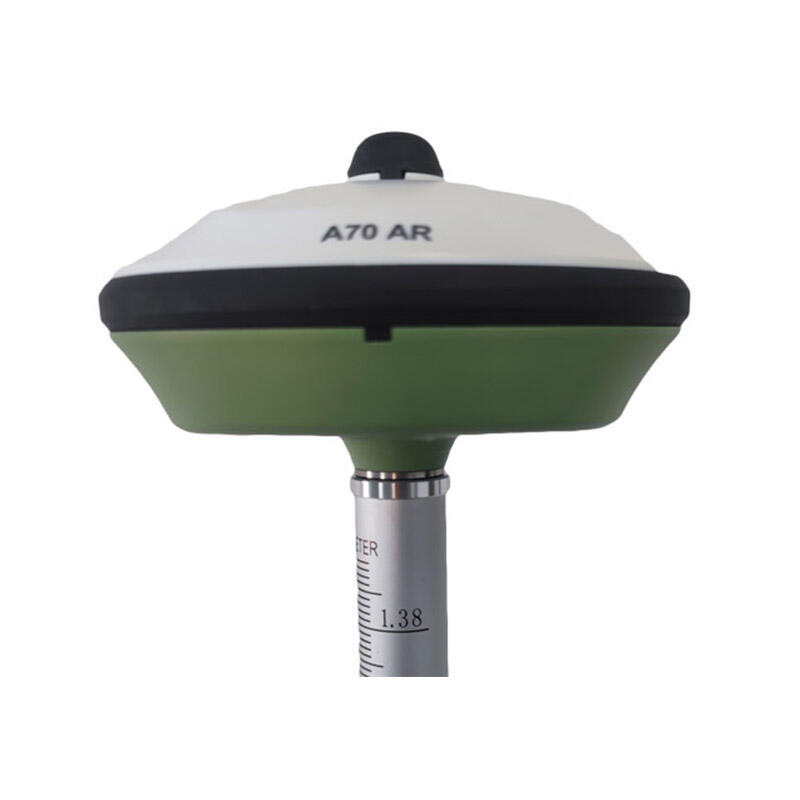
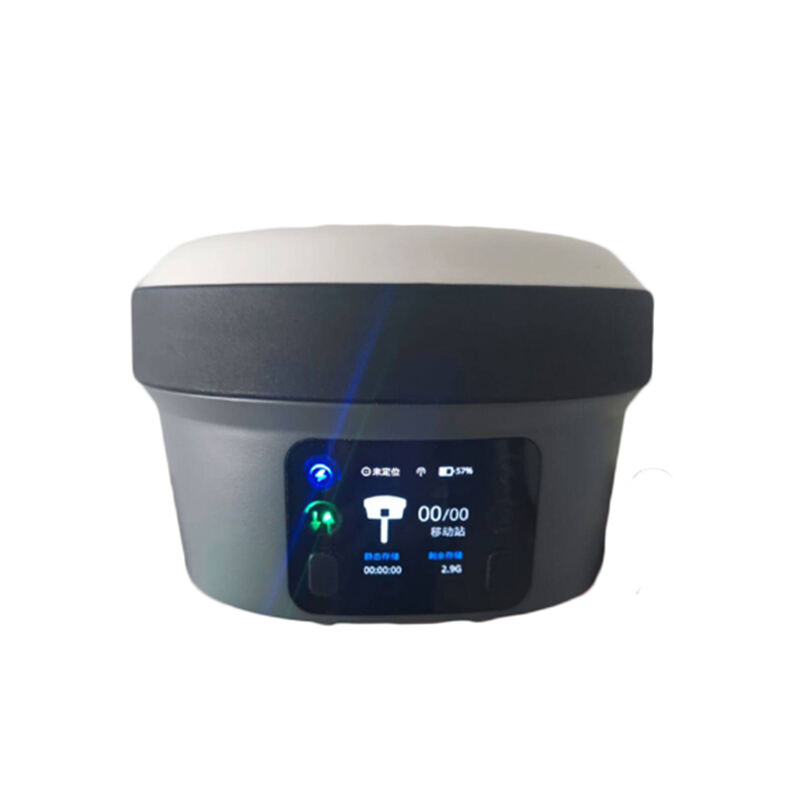
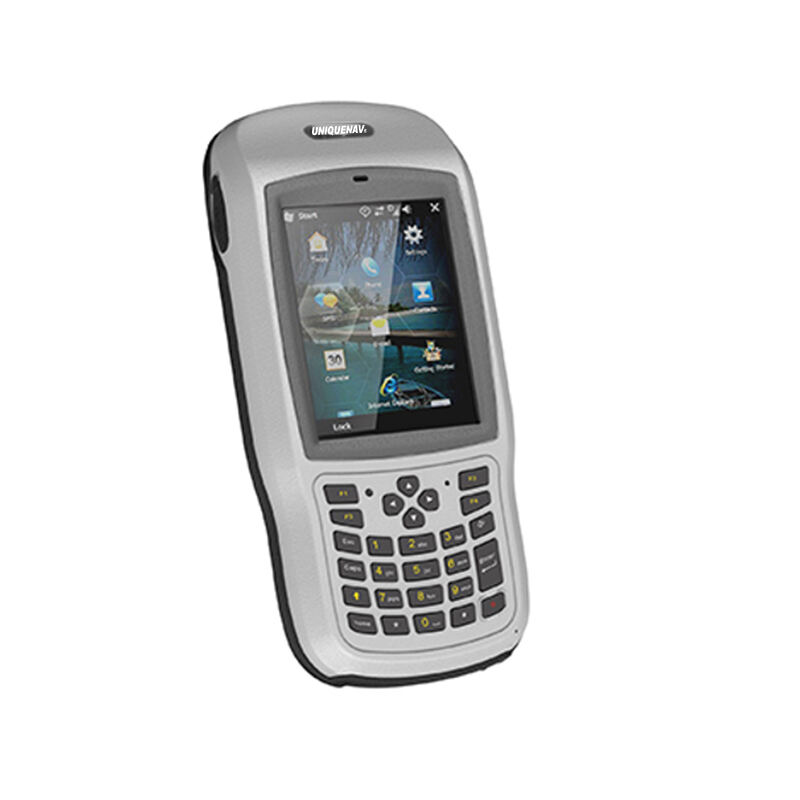
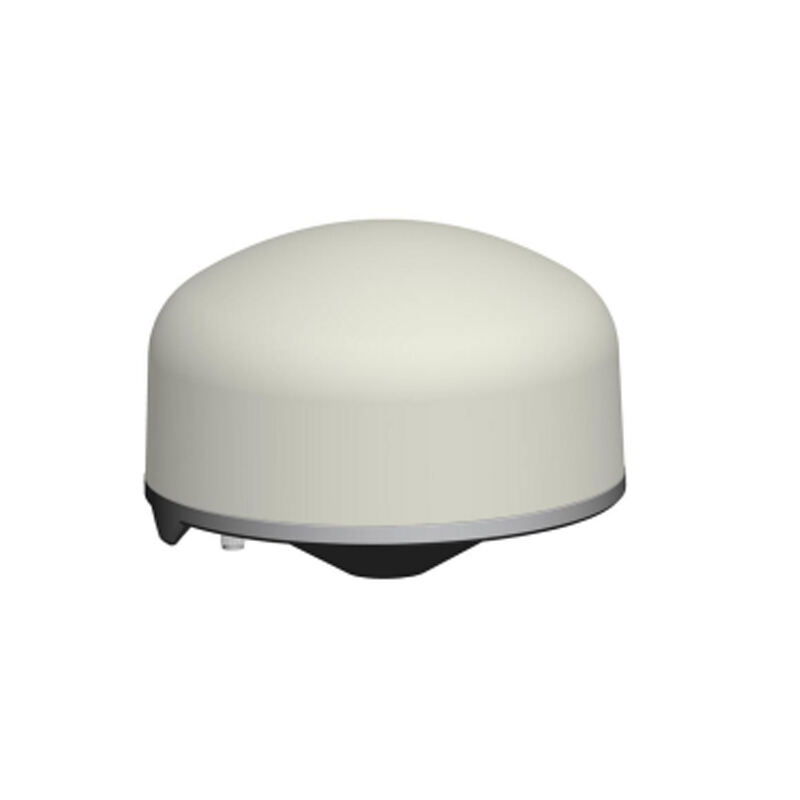
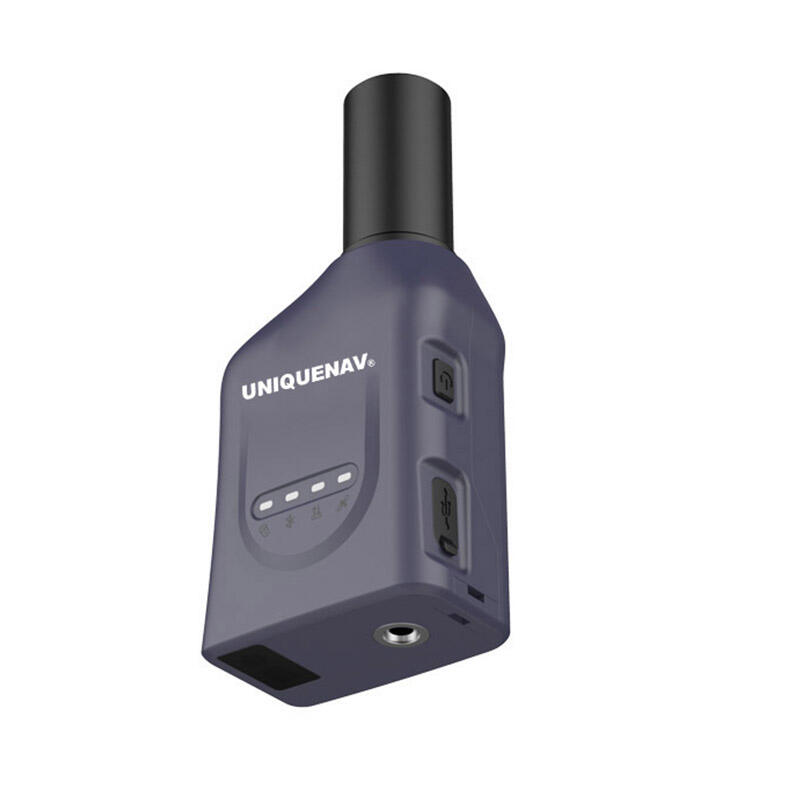
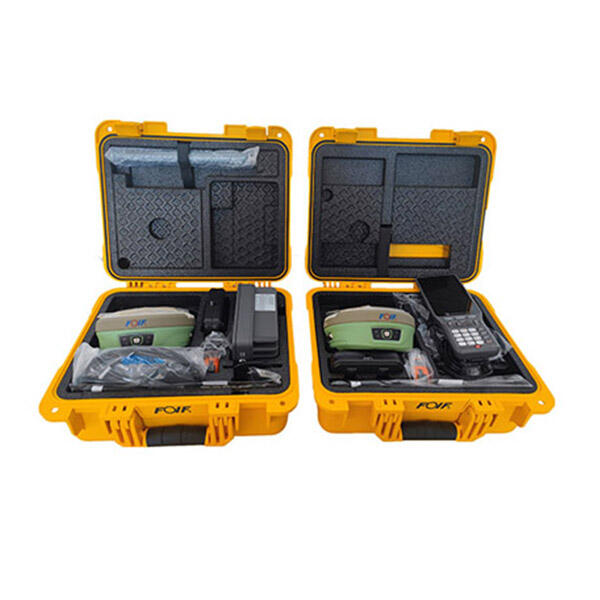
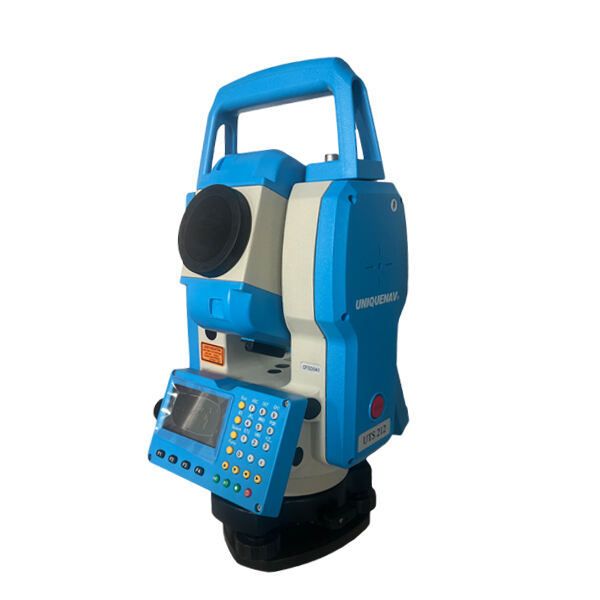
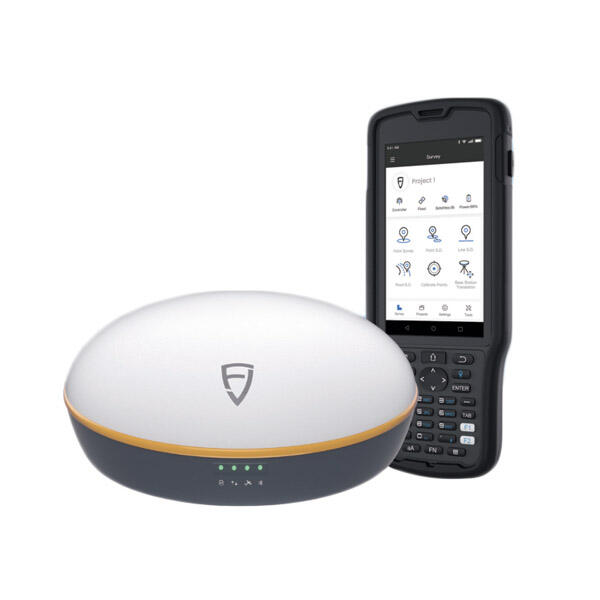
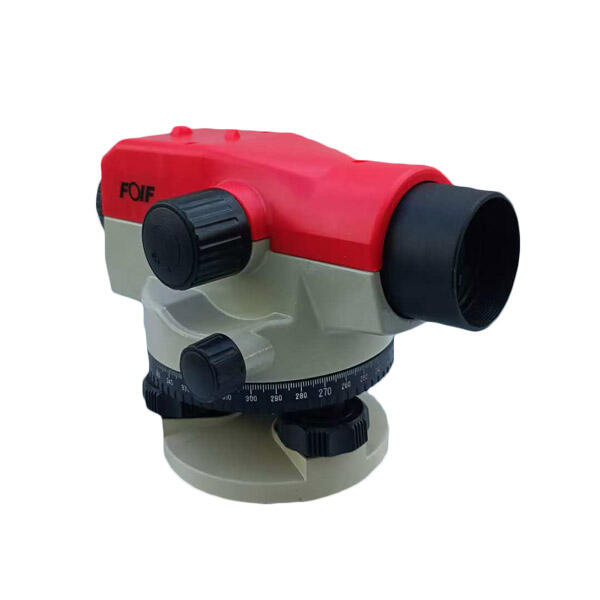
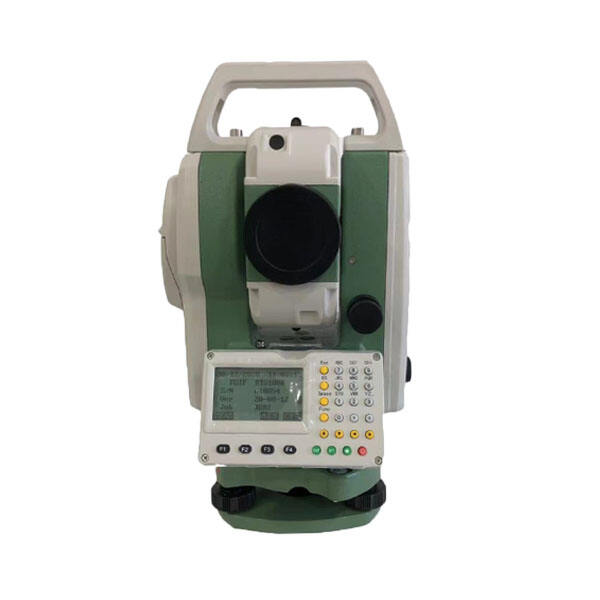
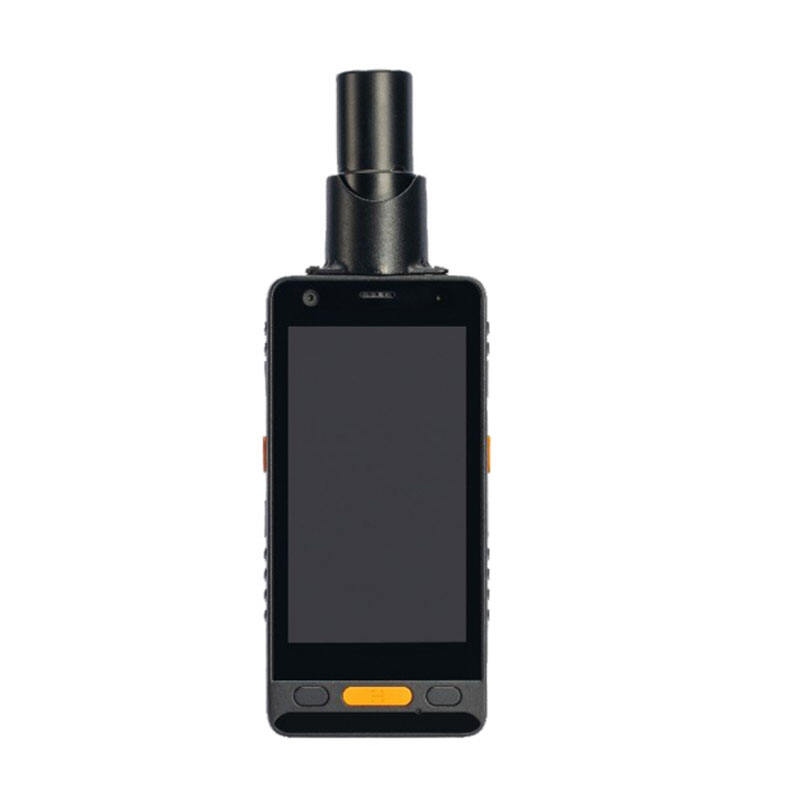
สถานีรวมแบบ RTK ถือเป็นความก้าวหน้าอันปฏิวัติวงการในเทคโนโลยีการสำรวจ โดยผสานความแม่นยำของสถานีรวมแบบดั้งเดิมเข้ากับความสามารถของระบบ GPS แบบเรียลไทม์คินีแมติก (RTK) เครื่องมือขั้นสูงนี้ผสานการวัดระยะทางด้วยระบบอิเล็กทรอนิกส์ การวัดมุม และการระบุพิกัดจากดาวเทียมไว้ในโซลูชันแบบบูรณาการเดียวสำหรับผู้เชี่ยวชาญด้านการสำรวจ สถานีรวมแบบ RTK ให้ความแม่นยำระดับเซนติเมตรผ่านเครื่องรับสัญญาณ GNSS แบบสองความถี่ขั้นสูง ซึ่งประมวลผลสัญญาณจากกลุ่มดาวเทียมหลายระบบ ได้แก่ GPS, GLONASS, Galileo และ BeiDou เครื่องมือนี้มาพร้อมจอแสดงผลอิเล็กทรอนิกส์ความละเอียดสูงที่แสดงข้อมูลพิกัดแบบเรียลไทม์ ค่าระยะทาง และค่ามุมอย่างต่อเนื่อง โครงสร้างที่แข็งแรงทนทานทำให้มั่นใจได้ถึงประสิทธิภาพในการทำงานที่เชื่อถือได้ภายใต้สภาวะแวดล้อมที่ท้าทาย ไม่ว่าจะเป็นอุณหภูมิสุดขั้วหรือสถานที่ก่อสร้างที่มีฝุ่นมาก สถานีรวมแบบ RTK ใช้ซอฟต์แวร์ขั้นสูงที่สามารถตรวจจับเป้าหมายโดยอัตโนมัติ ลดข้อผิดพลาดจากมนุษย์และเพิ่มประสิทธิภาพในการวัด เครื่องมือรองรับโหมดการวัดหลากหลายรูปแบบ ทั้งแบบใช้ปริซึมและแบบไม่ต้องใช้ปริซึม (reflectorless) จึงเหมาะสำหรับงานสำรวจประเภทต่าง ๆ ความสามารถในการสื่อสารขั้นสูงช่วยให้ถ่ายโอนข้อมูลได้อย่างไร้รอยต่อผ่านการเชื่อมต่อแบบบลูทูธ ไว-ไฟ และ USB หน่วยความจำภายในสามารถจัดเก็บจุดวัดได้นับพันจุด ในขณะที่แบตเตอรี่ที่ใช้งานได้นานช่วยให้ดำเนินการภาคสนามได้อย่างต่อเนื่อง สถานีรวมแบบ RTK รุ่นใหม่ล่าสุดมาพร้อมอินเทอร์เฟซผู้ใช้ที่ใช้งานง่ายและตั้งค่าได้ตามความต้องการ เพื่อรองรับกระบวนการทำงานด้านการสำรวจที่หลากหลาย การผสานระบบบริหารจัดการข้อมูลบนคลาวด์ช่วยให้ทีมงานภาคสนามและเจ้าหน้าที่สำนักงานสามารถร่วมมือกันแบบเรียลไทม์ได้อย่างมีประสิทธิภาพ เครื่องมือเหล่านี้โดยทั่วไปมีระยะการวัดเกิน 5 กิโลเมตรเมื่อใช้ปริซึม และสูงสุดถึง 1 กิโลเมตรในโหมดไม่ใช้ปริซึม จึงเหมาะสมสำหรับโครงการขนาดใหญ่ ความสามารถของสถานีรวมแบบ RTK ในการรักษาความแม่นยำได้แม้ในสภาพภูมิประเทศและสภาพอากาศที่หลากหลาย ทำให้เครื่องมือนี้กลายเป็นเครื่องมือที่ขาดไม่ได้สำหรับนักสำรวจ มืออาชีพ วิศวกร และผู้จัดการงานก่อสร้างทั่วโลก

 EN
EN